Looking for some outdoor adventures this winter? Find out the best places for winter hikes in the USA worth doing.
This list of amazing places for winter hikes in the USA was written by family travel expert Marcie Cheung and contains affiliate links which means if you purchase something from one of my affiliate links, I may earn a small commission that goes back into maintaining this blog.
Looking for the perfect winter hiking adventure with your family? You’re in luck. Winter hiking with kids isn’t just possible—it’s actually one of the best times to explore America’s most stunning national parks.
Imagine having iconic trails practically to yourselves, watching your kids play in fresh powder snow, and experiencing landscapes in a totally different way than the crowds do in summer. That’s what winter hiking offers.
As a family travel blogger who’s passionate about getting outdoors with kids year-round, I’m sharing my top five winter hiking destinations that are not only breathtaking but also totally doable with children.
These spots offer shorter trails, manageable terrain, and that magical winter wonderland vibe your family will remember forever.
Why Winter is Actually the Best Time to Hike These Parks
Here’s the truth: summer might seem like the obvious choice for hiking, but winter changes everything. You’ll skip the brutal heat (hello, Death Valley at 120°F in August), dodge the massive crowds, and get to see these landscapes painted in snow and ice.
Plus, the cooler temperatures make hiking way more comfortable for kids who tend to overheat in summer gear. And let’s be real, a winter hike followed by hot chocolate is pretty much the perfect family day.
1. Arches National Park, Utah
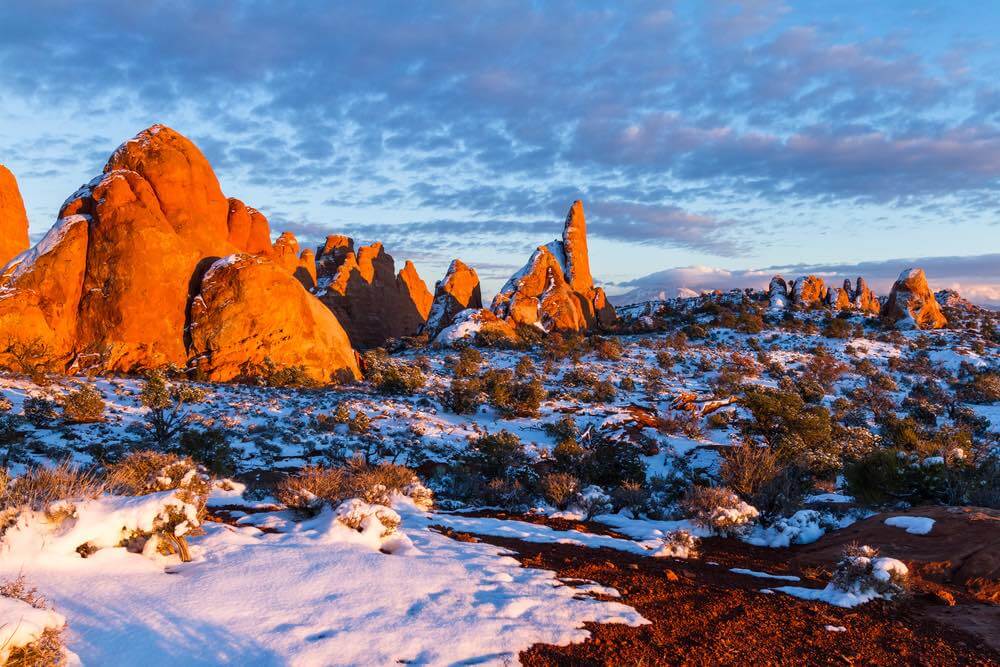
There’s something absolutely surreal about seeing those famous red rock arches dusted with white snow. It’s one of the best national parks for hiking.
Arches National Park transforms into a photographer’s dream during winter, and it’s honestly one of the most family-friendly winter hiking spots you’ll find.
Why Winter is Perfect Here
Unlike those sweltering 100-degree summer days, winter brings temps in the 30s to 50s during the day.
The park sees way fewer visitors, which means your family can actually enjoy these iconic spots without fighting crowds for photos. Snow on red rock is genuinely one of the most beautiful contrasts you’ll ever see.
Best Family-Friendly Winter Hikes
Devils Garden Trail is the park’s longest trail at 7.8 miles, but here’s the thing—you don’t have to do the whole loop. The first 1.9 miles to Landscape Arch are perfect for families.
Your kids will love scrambling over the rocks (when it’s not too icy), and Landscape Arch is mind-blowing at 306 feet long.
The Windows Trail is another winner for families with younger kids. At just 1.2 miles, it’s short enough that even little ones can handle it, and you’ll see both North and South Window arches plus the famous Turret Arch.
Delicate Arch (the one on the Utah license plate) is a 3-mile moderate hike that’s totally worth it. Just know that there’s one section that stays icy pretty much all winter, so bring those microspikes and take it slow on the way down.
What You Need to Know
Trails can get seriously slippery when there’s ice or snow. Yaktrax or microspikes are absolute musts for your hiking boots. Pack trekking poles too. They make a huge difference on icy sections.
The park is open 24/7, but the visitor center runs on reduced winter hours (9am-4pm). Get there early for the best light and fewer people.
Where to Stay Near Arches
Moab is your home base, just 5 miles from the park entrance. Check out family-friendly hotels on Expedia. Places like Expedition Lodge Moab have pools and game rooms that kids love after a day of hiking.
Family-Friendly Tours
Want someone else to do the driving and planning? This full-day Arches, Canyonlands, and Dead Horse Point tour on Viator is perfect for first-timers and covers all three parks in one day.
For a unique family adventure, book a Colorado River rafting trip on GetYourGuide. It’s super family-friendly with mostly calm Class I-II rapids.
2. Telluride, Colorado
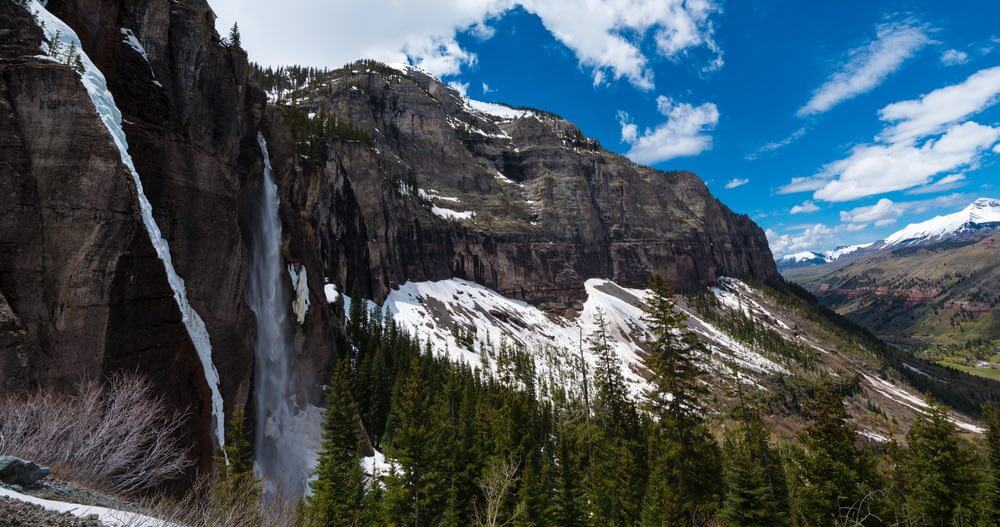
Telluride might be famous for skiing, but the winter hiking here is absolutely spectacular. This mountain town sits at the end of a box canyon surrounded by 14,000-foot peaks, and the winter scenery is straight out of a postcard.
Why Families Love Winter Hiking Here
Telluride gets about 300 days of sunshine a year, so even though it’s snowy, you’re likely to have clear, beautiful weather.
Many trails stay accessible in winter, and the town itself is completely charming with that authentic Colorado mountain vibe.
Best Family-Friendly Winter Hikes
The Jud Wiebe Trail is a local favorite and considered a rite of passage. This 3-mile loop starts right in town and climbs about 1,300 feet, offering incredible views of Bridal Veil Falls and the surrounding peaks.
It’s definitely a workout, but there are benches along the way where you can catch your breath while the kids explore.
Bear Creek Trail is another winner. It’s 2.5 miles one way to Bear Creek Falls, which freezes into this gorgeous ice sculpture in winter. The trail winds through pine and aspen groves, and you might spot deer along the way.
Valley Floor Loop is perfect for families with smaller kids. This 3-mile flat trail lets you explore snowy meadows and frozen wetlands at your own pace. Great for snowshoeing too.
Winter Tips for Telluride
The trails here can get icy, especially on the Jud Wiebe. Microspikes and layers are essential—mountain weather changes fast. The town is at 8,750 feet, so take it easy that first day and drink lots of water to avoid altitude sickness.
Where to Stay
Find family-friendly Telluride hotels on Expedia. The Peaks Resort is gorgeous and has pools and hot tubs perfect for sore muscles after hiking.
Family Adventures Beyond Hiking
In winter, Telluride is packed with fun stuff for families. Book a guided snowmobile tour on Viator to explore the backcountry and visit the Alta Ghost Town. Or take the free gondola up to Mountain Village for incredible views (kids love this).
3. Rocky Mountain National Park, Colorado
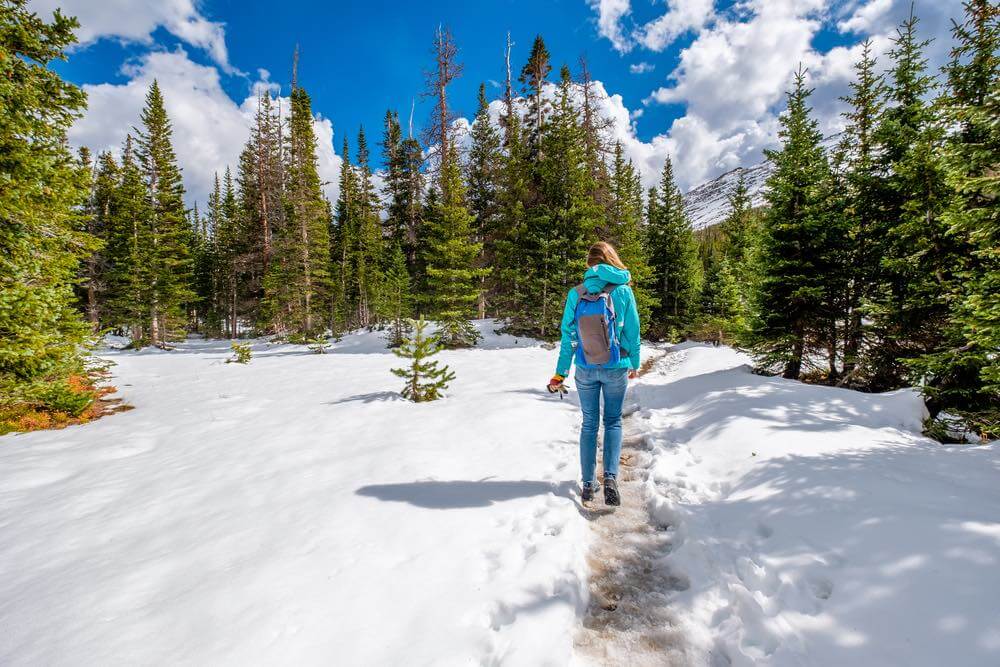
Rocky Mountain National Park in winter is like stepping into Narnia. The famous Emerald Lake hike becomes a winter wonderland trail that’s perfect for families, and you’ll likely have the frozen lakes almost to yourselves.
Why Winter is Magical Here
Summer at RMNP means traffic jams and full parking lots by 7am. Winter? You’ll find peaceful trails, stunning frozen waterfalls, and snow-covered forests. Plus, no timed entry permits required from November through April.
The Emerald Lake Trail: Perfect for Families
This 3.6-mile round-trip hike is absolutely the one to do. You’ll pass three gorgeous alpine lakes—Nymph, Dream, and Emerald—all frozen solid in winter. The elevation gain is only about 600 feet, making it manageable for most kids.
The trail is well-packed from lots of winter hikers, but microspikes or snowshoes are still essential. There’s one steep section with stairs that can avalanche after heavy snow, so always check conditions at the visitor center first.
Pro tip: Bring a thermos with hot chocolate for the kids. They’ll love warming up at the frozen lakes.
What to Pack
The weather here is no joke. Temps can swing 40 degrees in a single day. Layer up with base layers, insulated jackets, warm hats and gloves, and definitely gaiters to keep snow out of boots.
Where to Stay
Estes Park is your gateway town. Browse Estes Park hotels on Expedia. Expedition Lodge Estes Park has great family amenities including a heated pool and free breakfast.
Family-Friendly Tours
Book a Rocky Mountain National Park guided tour on Viator that includes wildlife viewing and photography stops. Or grab this self-guided driving tour on GetYourGuide that lets you explore at your own pace.
4. Death Valley National Park, California
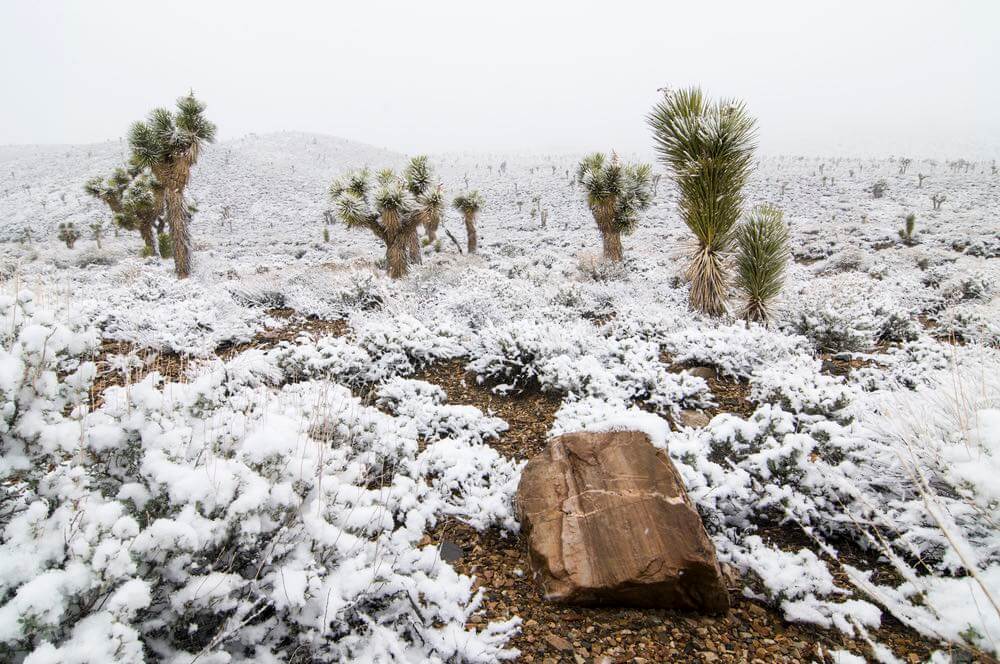
I know what you’re thinking—Death Valley in winter? Trust me on this. Winter is literally the only time you want to hike here (unless you enjoy 120-degree temperatures). The desert comes alive, and the hiking is fantastic for families.
Why Winter is the Best Time
Summer temps in Death Valley regularly hit 110-134°F. Winter? Pleasant 60-70°F days. You can actually hike comfortably and explore this unique landscape without risking heat stroke.
The Golden Canyon and Gower Gulch Loop
This is hands-down the best family hike in Death Valley. The 4-mile loop takes you through golden canyon walls, across colorful badlands, and down a desert wash. It’s like hiking on another planet.
For shorter legs, just hike 1 mile up Golden Canyon to the junction and turn around. Even this short walk gives you those incredible glowing canyon walls.
If your kids are up for more adventure, add on the side trip to Red Cathedral. It involves some scrambling but the rock formations are worth it.
Important Tips
There’s zero shade on these trails. Sunscreen and sun hats are non-negotiable. Bring way more water than you think you need. Hydration packs work great for kids.
Hike early morning or late afternoon to avoid even the mild midday heat. The golden hour light makes the canyon walls absolutely glow.
Where to Stay
Furnace Creek is the main hub with lodging and restaurants. Search Death Valley hotels on Expedia for options ranging from camping to resorts.
Must-See Stops
Beyond hiking, don’t miss Badwater Basin (the lowest point in North America), Artist’s Palette (rainbow-colored hills), and Zabriskie Point (incredible badlands views). Book a Death Valley photo tour on Viator to hit all the highlights.
5. Sequoia National Park, California
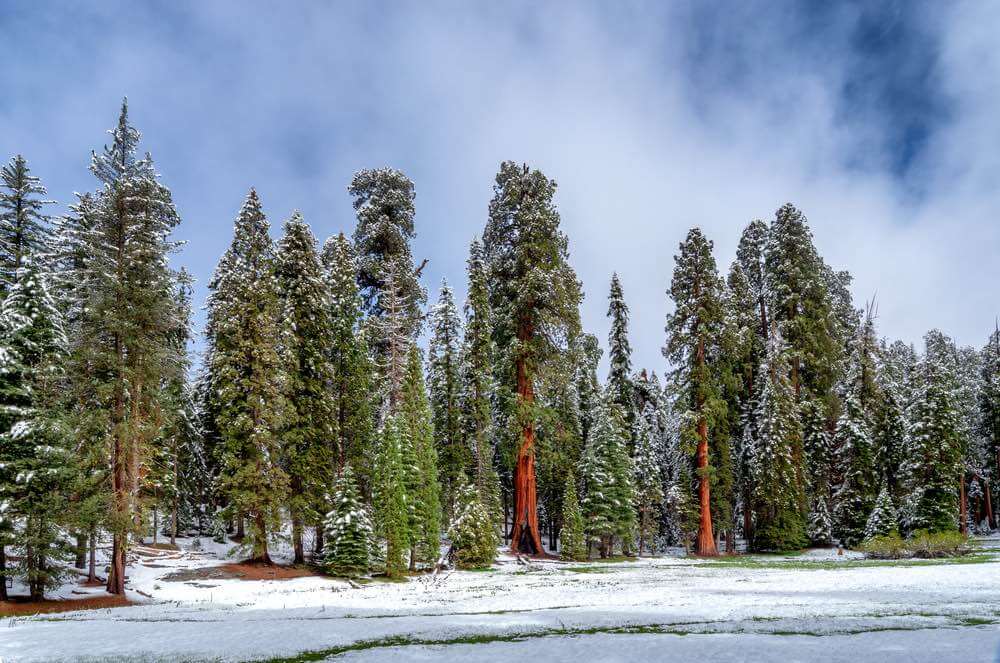
Seeing the world’s largest trees covered in snow is truly magical. Sequoia in winter offers a completely different experience than summer, and the short Big Trees Trail is perfect for families with kids of all ages.
Winter in the Giant Forest
The Giant Forest area stays accessible in winter (though you’ll need chains for your car). The contrast of bright red sequoia bark against white snow is absolutely stunning, and these ancient giants take on a whole new majesty in winter.
The Big Trees Trail: Easy and Accessible
This 1.2-mile paved loop around Round Meadow is the perfect introduction to the sequoias for families. It’s flat, short, and even wheelchair accessible (with assistance). Educational signs along the way teach kids about these incredible trees.
You’ll see massive sequoias like the Sentinel Tree and the Twin Sequoias. In winter, the meadow often has a beautiful blanket of snow.
Congress Trail: More Sequoia Magic
If your family wants more, the Congress Trail is a 2-mile loop that showcases even more giant sequoias, including the famous General Sherman Tree (the largest tree on Earth by volume). In winter, strap on snowshoes and explore this winter wonderland grove.
Winter Essentials
Roads can close due to snow, so check conditions before you go. Chains are required when it’s snowy. The park is at high elevation (6,000+ feet), so take it easy and stay hydrated.
Dress in layers and pack those microspikes for any hiking. A warm thermos with soup or hot chocolate makes lunch breaks so much better.
Where to Stay
Browse Sequoia area hotels on Expedia. Wuksachi Lodge inside the park is beautiful but books up fast. Three Rivers, just outside the park, has more options.
Tours and Activities
Book a Sequoia and Kings Canyon tour on GetYourGuide to learn about these ancient giants from expert guides.
Essential Winter Hiking Gear for Families
Okay, let’s talk gear. You don’t need to spend a fortune, but having the right stuff makes all the difference between a miserable cold slog and an awesome family adventure.
For Your Feet:
- Waterproof hiking boots with good traction
- Microspikes or Yaktrax for icy trails
- Wool hiking socks (cotton = cold feet)
- Gaiters to keep snow out of boots
For Your Body:
- Moisture-wicking base layers
- Insulated mid-layer (fleece or down)
- Waterproof outer shell
- Insulated winter jacket
- Warm hat and gloves
What to Bring:
- Trekking poles (game-changer on ice)
- Hydration pack or insulated water bottles
- High-energy snacks (kids burn tons of calories in cold)
- Sunscreen and lip balm with SPF
- First aid kit
- Headlamps (days are short!)
Pro tip: Don’t forget to pack that winter hiking gear in a good family hiking backpack. And if you want professional photos of your family adventure, check out Flytographer. Use my link to save $20 on a session.
Important Safety Tips for Winter Hiking with Kids
Look, I’m not trying to scare you, but winter hiking is different than summer hiking. Here’s what you need to know to keep everyone safe and happy:
Check the Weather and Trail Conditions Always, always check conditions before you head out. Winter weather changes fast in the mountains. Call the park visitor center or check their website for current trail conditions, closures, and avalanche danger.
Start Early Winter days are short. Plan to be back at the trailhead by mid-afternoon—it gets dark early and temperatures drop fast once the sun goes down.
Tell Someone Your Plan Let someone know where you’re hiking and when you expect to be back. It’s basic safety but especially important in winter.
Know Your Kids’ Limits Cold tired kids = miserable everyone. Pick trails that are appropriate for your children’s ages and abilities. It’s better to do a shorter easy hike that everyone enjoys than push for that epic summit and end up carrying a crying 5-year-old.
Watch for Signs of Cold Keep an eye out for shivering, complaints of being cold, or kids who suddenly get quiet or clumsy. These can be early signs of hypothermia. Have extra layers ready and don’t be afraid to turn around early.
Stay Hydrated and Fed Kids often forget to drink when it’s cold, but dehydration happens fast at altitude. Make frequent water and snack breaks. Pack high-calorie foods like trail mix, energy bars, and yes, some treats.
Respect Wildlife Animals are less active in winter but you might spot elk, deer, or even bears in lower elevations. Teach kids to observe from a distance and never feed wildlife.
Planning Your Winter Hiking Adventure
When to Go The best winter hiking months are generally December through March. February often has the most reliable snow coverage without spring melt.
Book Ahead Winter might be off-season, but lodging near national parks can still fill up, especially around holidays. Book your accommodations at least 2-3 months in advance.
Get Your National Parks Pass If you’re hitting multiple parks, the America the Beautiful Pass ($80) pays for itself after just 3-4 park visits.
Consider a Planning Course Want to plan like a pro? Check out my free email courses for several destinations:
- How to Plan a Trip to Italy Like a Pro
- How to Plan a Trip to Paris Like a Pro
- How to Plan a Trip to Hawaii Like a Pro
Other Family Travel Guides You’ll Love
Why This Family Travel Expert Loves Winter Hiking
As a family travel blogger, I’ve taken my kids to dozens of destinations, and winter hiking has become one of our favorite ways to explore.
There’s something special about having these iconic places almost to yourselves, watching your kids’ faces when they see snow-covered landscapes, and creating memories that don’t involve fighting crowds or extreme heat.
Winter hiking teaches kids resilience, gets them away from screens, and shows them that adventure doesn’t have to stop when the temperature drops. Plus, the post-hike hot chocolate tastes way better when you’ve earned it on the trail.
These five destinations offer the perfect mix of stunning scenery, manageable trails for families, and that winter magic that makes the extra planning and gear totally worth it.
Your kids might complain about the cold for the first 10 minutes, but once they’re out there, they’ll be the first ones asking “Can we do another hike tomorrow?”
So grab those microspikes, pack those thermoses, and get your family out there this winter. These trails are waiting for you.
Looking for more winter travel ideas? Check out the best Christmas getaways, best winter trips from Seattle, best national parks to visit this winter, warm winter destinations in the U.S., and snowy winter destinations!