My Epic Peru Girls Trip: From the White City to the Amazon Jungle
I saw a deal for 65% off a Peru tour covering Machu Picchu and the Amazon. I texted my friend Vanessa. Ten minutes later we were booked.
That is genuinely how this trip started. No spreadsheet. No six-month planning phase. Just a screenshot and a very fast yes.
I'm a family travel blogger, so most of what I write is about dragging my kids through airports and finding the best stroller-friendly museum in whatever city we land in. But this trip? This was just for me. And Vanessa.
We did 11 days total across three completely different versions of Peru: the stunning colonial White City of Arequipa, the Sacred Valley and Machu Picchu (with a permit crisis thrown in for good measure), and four nights deep in the Amazon jungle at Tahuayo Lodge.
Vanessa covers her travels over at Wanderlust Crew and on Instagram at @wanderlust.crew.
We've traveled together through Guatemala, Puerto Rico, Arizona, Hawaii, and England. We know each other's travel styles inside and out, which matters enormously when things go sideways. And things went sideways.
This is the full trip breakdown: what we did, what I'd do differently, what surprised me, and everything you need to know before you go.
The Trip at a Glance
Dates: April 29 to May 9 (11 days)
We used Into the Wild as our tour operator for the Machu Picchu and Amazon legs, and explored Arequipa independently beforehand. The discounted tour cost me $1,200, which felt like a steal even before we accounted for the logistics they handled.
Here's how it broke down:
- Night 1: Lima (transit only, Wyndham Costa del Sol near the airport)
- Nights 2 to 3: Arequipa
- Nights 4 to 5: Aguas Calientes
- Night 6: Cusco
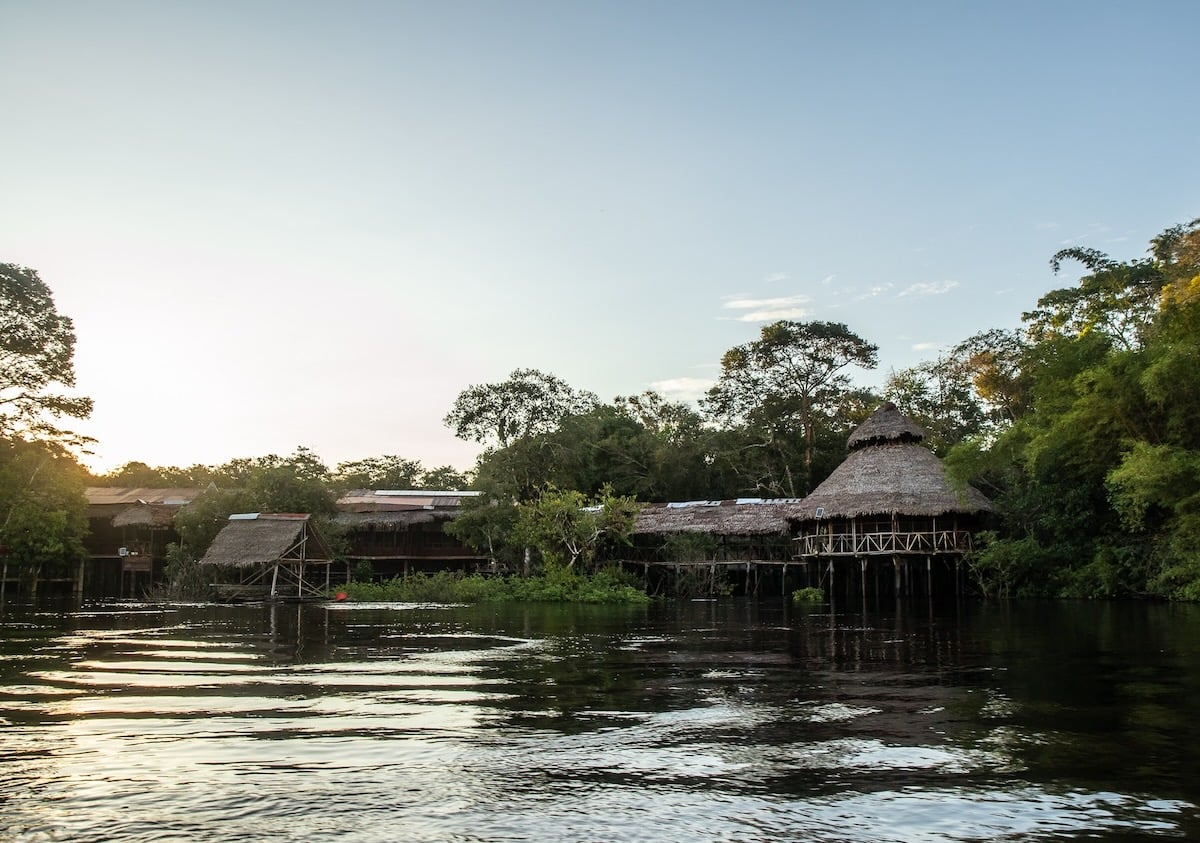
- Nights 7 to 10: Tahuayo Lodge, Amazon jungle
- Night 11: Iquitos (transit, would skip next time)
Lima: Just a Layover
I flew in after midnight and spent over an hour in the immigration line before finally checking into the Wyndham Costa del Sol, which sits directly across from the airport.
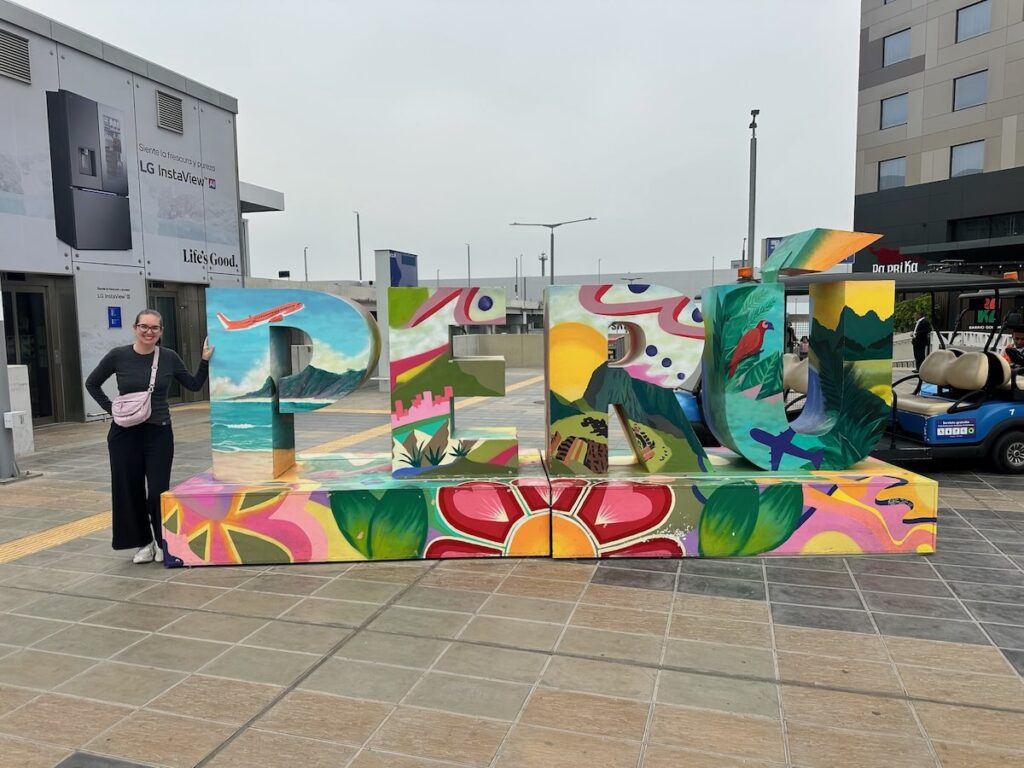
I got to the room at 12:30am, slept a few hours, grabbed the hotel breakfast, and was back at the airport by 8:30am for our flight to Arequipa.
Lima has a world-class food scene and I'd genuinely love to go back and actually spend time there. This trip, it was a pit stop. If you can tack on a couple of days at the beginning, do it.
Arequipa: The Underrated Star of Peru
Nobody talks about Arequipa the way they should. It ended up being my favorite part of the entire trip.
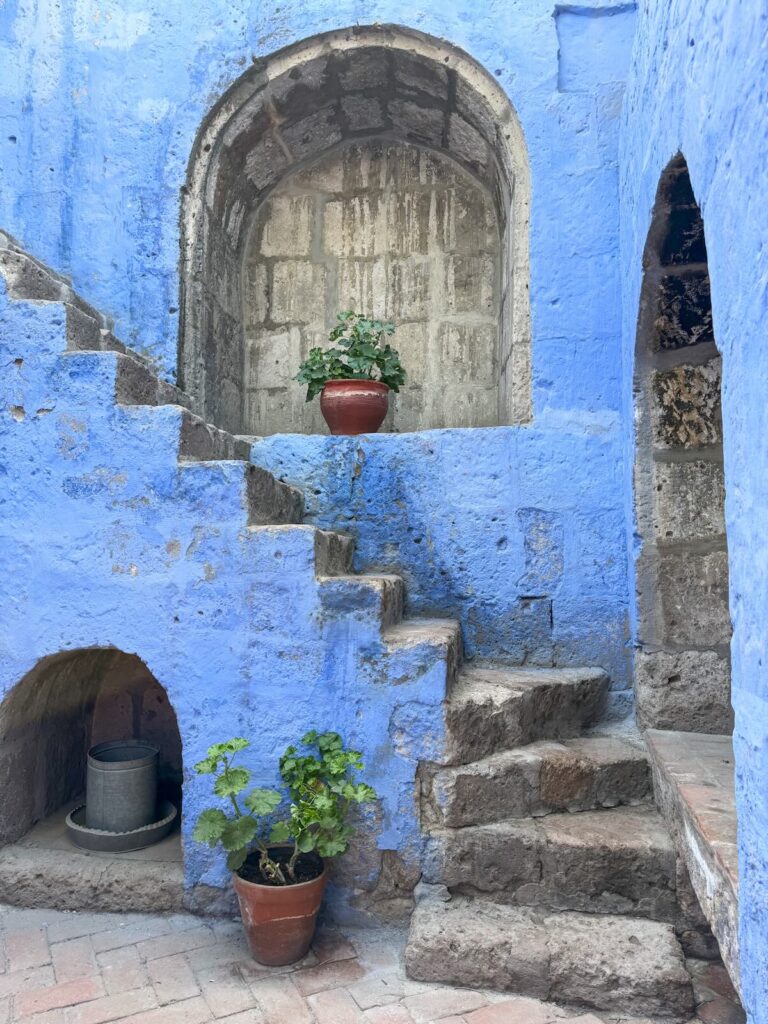
The city sits at about 8,000 feet elevation, which is high enough to feel but manageable compared to Cusco.
It's built almost entirely from sillar, a white volcanic stone quarried from the surrounding volcanoes. That's why it's called the White City, and it lives up to the name.
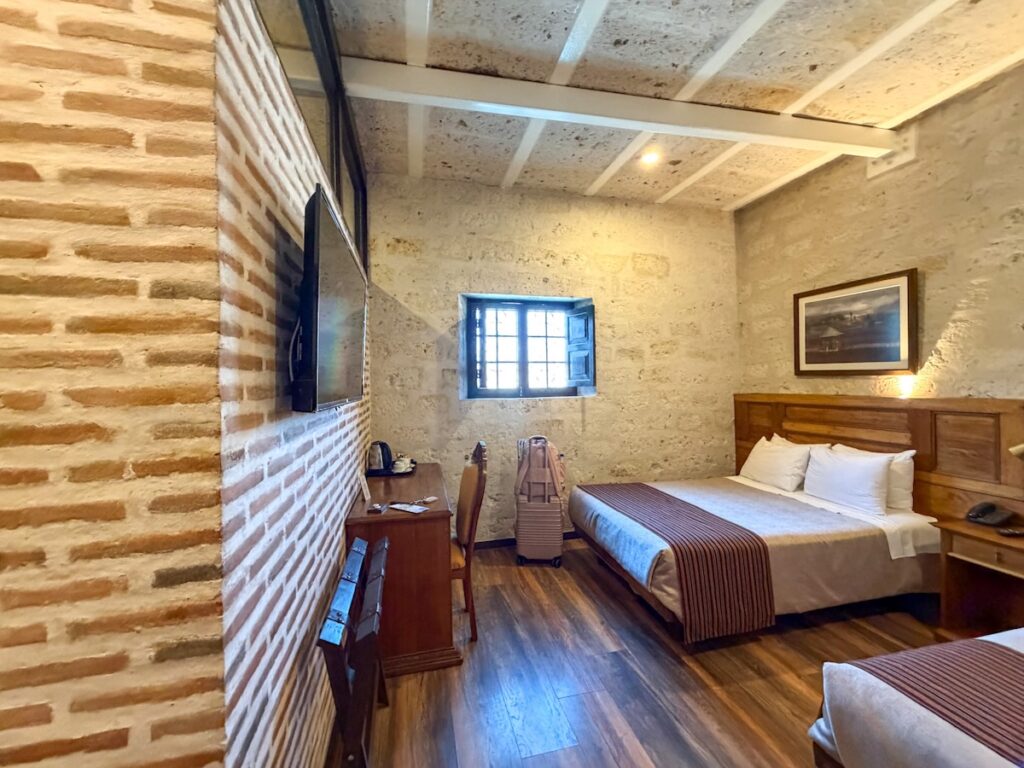
We stayed at Acolpacha Tambo Boutique, a cute, intimate hotel that I'd go back to without hesitation. The staff sent us to Chicha por Gaston Acurio for our first lunch, which turned out to be exactly the right call.
The Accidental Guinea Pig Situation
I want to preface this by saying I specifically told Vanessa before we left: I will try anything except guinea pig.
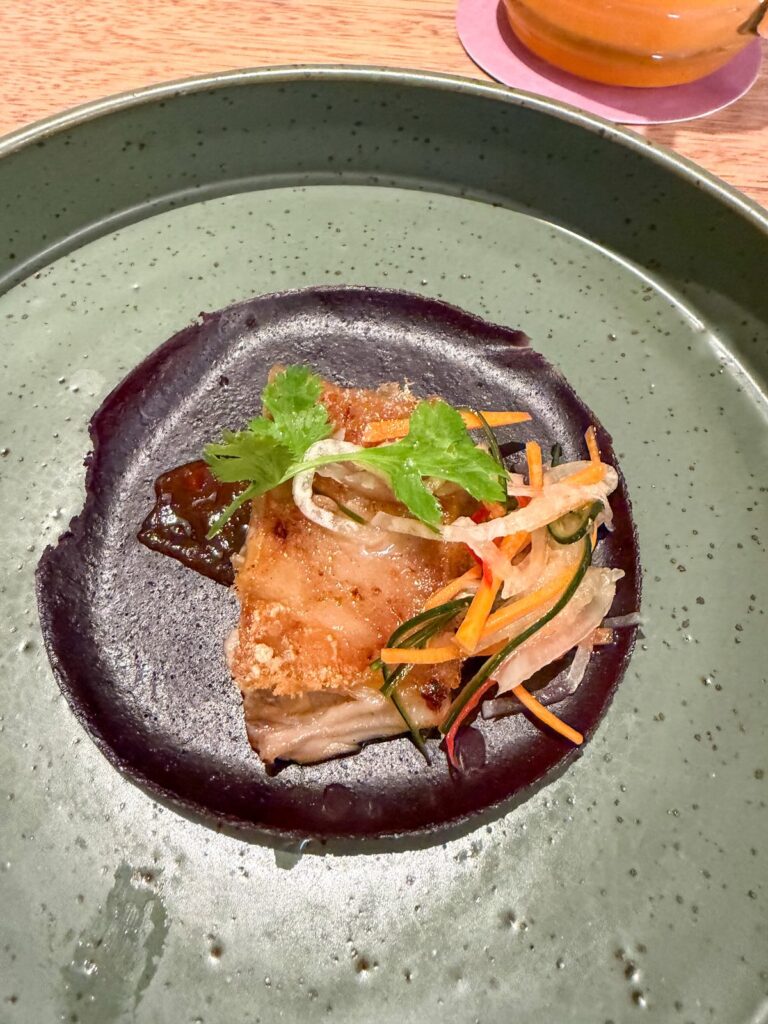
At Chicha, I ordered what I thought was crispy pork belly. It arrived looking perfect. Crunchy skin, flavorful meat, beautifully plated. I ate the whole thing and loved it.
Then the waiter came back and asked how I enjoyed the cuy.
Guinea pig. I had eaten an entire guinea pig appetizer. Thankfully it was small and only 2 bites.
It was genuinely delicious and I had complicated feelings about it for the rest of the day.
Highly recommend the restaurant, though. The drinks and entrees were really tasty. However, make sure to read the menu more carefully than I did.
What to Do in Arequipa
Mundo Alpaca was the one thing we had actually researched ahead of time and it delivered completely. Part museum, part alpaca and llama farm, part shop.
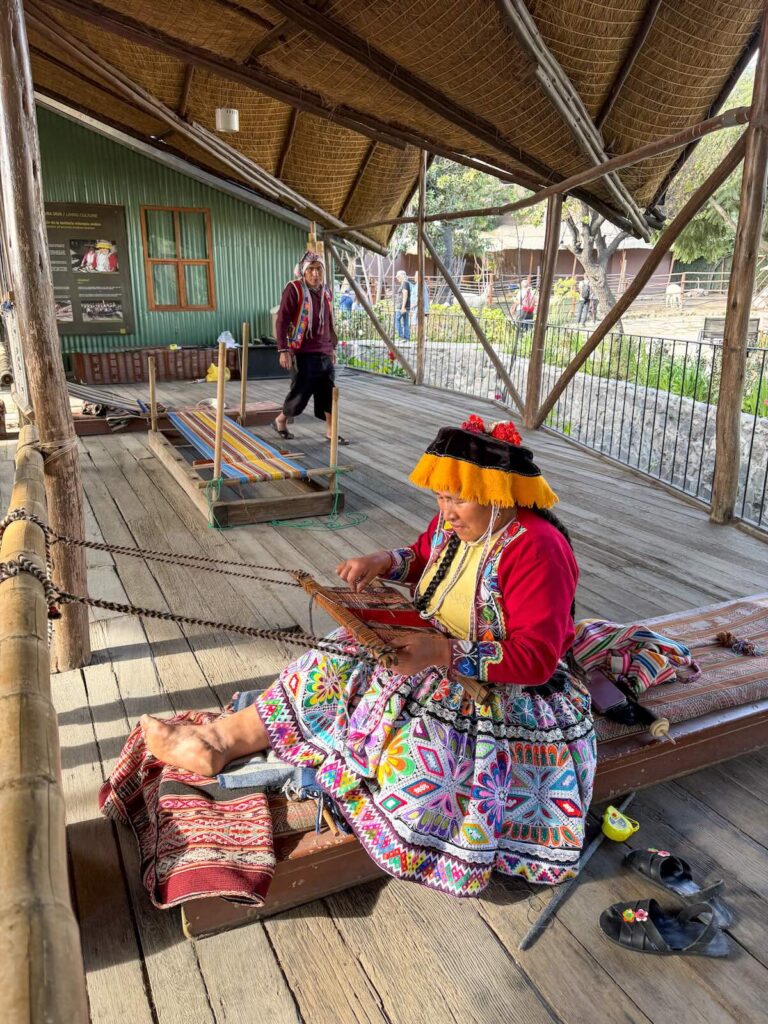
We learned how alpaca wool became so globally prized, got to feed the animals, watched traditional weaving, and felt the difference between raw and finished fibers.
The shop is genuinely not touristy. I bought my husband a sweater, myself some socks, and walked out with a pink baby alpaca cardigan I now wear all the time.
The Santa Catalina Monastery is one of those places that looks small from the outside and then just keeps going. It's essentially a full village inside the city walls. We blocked out an hour and ended up spending two.
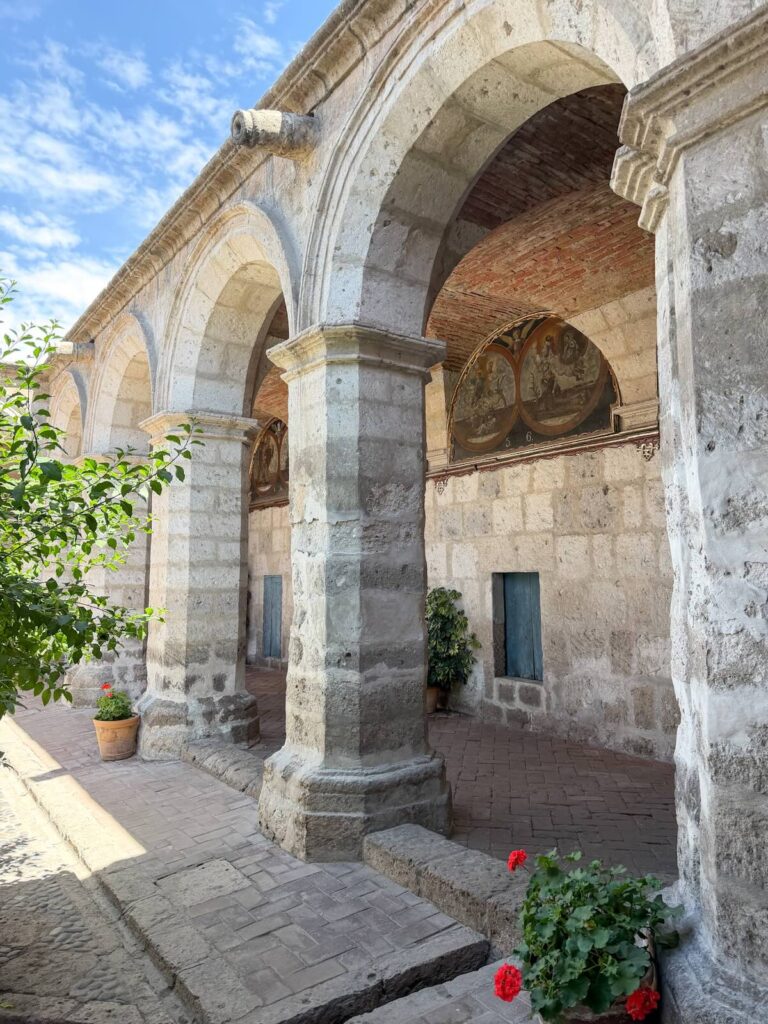
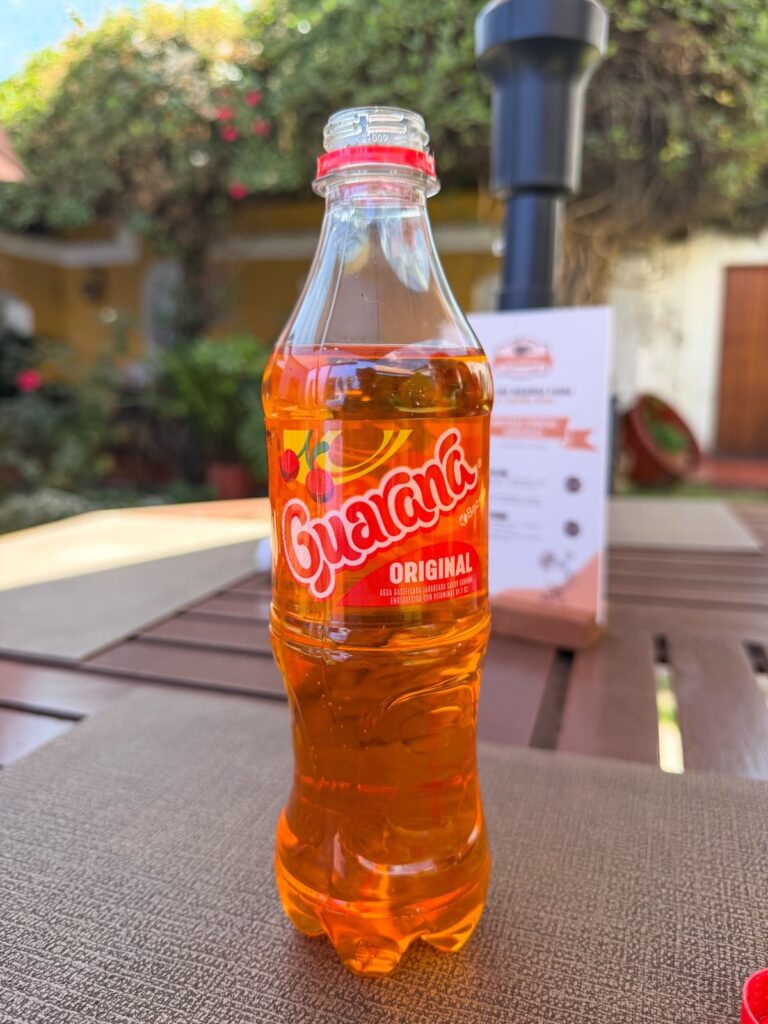
Stop at their cafe if you're there. I tried Guarana, an orange soda made from guarana berries. Tasted like cough medicine crossed with bubble gum. Interesting experience. Not my thing.
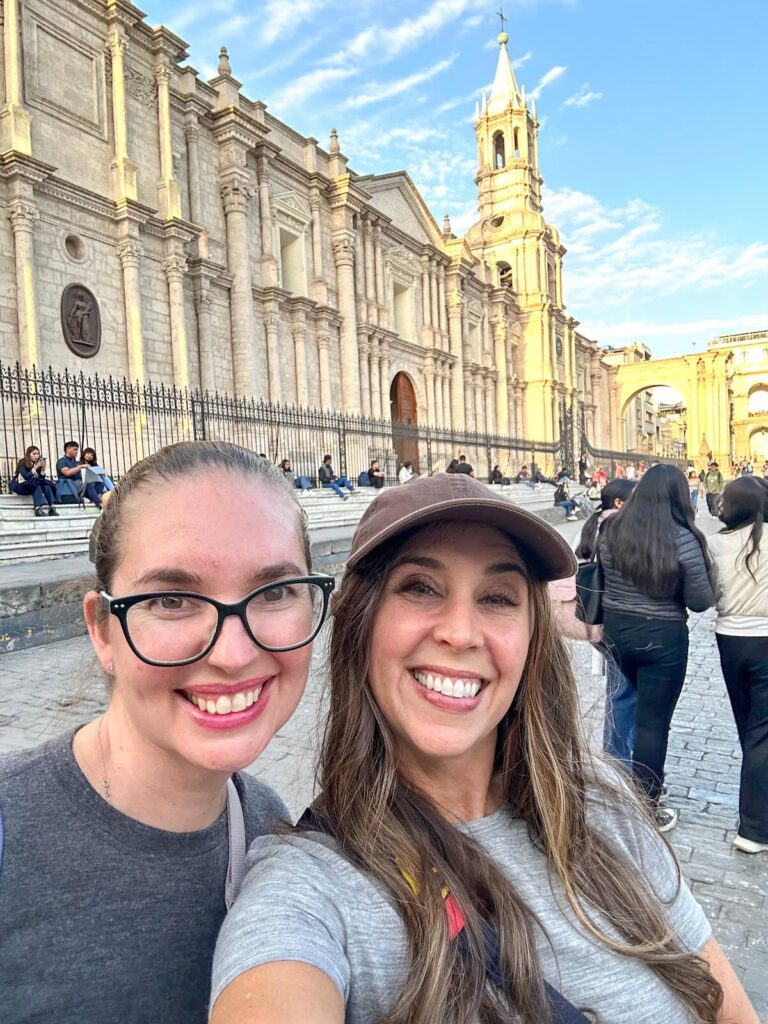
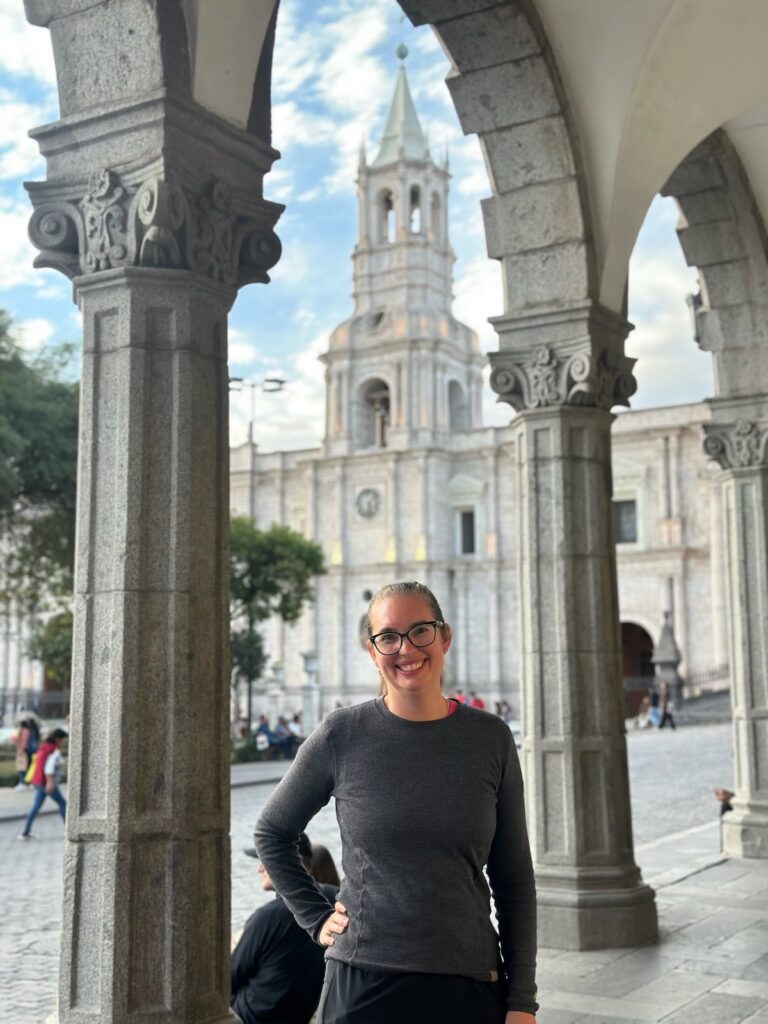
Plaza de Armas reminded me a lot of the main plaza in Antigua, Guatemala. There was a dance performance when we arrived, and the Basilica Cathedral right on the square is worth going inside for the ceiling and statues alone.
On our second afternoon, after five attempts at finding a massage place that was open, we landed at Rest Foot & Body Massage and Spa. Two hours of full body massage and head spa treatments for about $80 each.
After all the walking, it was one of the best decisions of the trip.
A Note on Altitude Sickness
Our second morning in Arequipa we both woke up feeling queasy. We figured out later that we had our altitude medication dosages wrong and hadn't taken enough.
One of our tour group members ended up so dehydrated after day one that she had to see a doctor and missed a full day of the itinerary.
Start taking altitude medication when you land in Lima, not when you start feeling it. By then you're already behind. Talk to your doctor before you go and get the dosage right.
Altitude sickness medication is worth having, and don't guess at the dosage.
They do sell Coca tea/candy and other local altitude medications at the local pharmacies but we didn't try those.
The Machu Picchu Permit Crisis (And How We Still Got In)
We were at dinner on our first night in Arequipa when a WhatsApp message came in from the owner of the Into the Wild tour. She told us there had been an issue. We did not have our Machu Picchu permits.
We stopped eating and re-read it.
The company ITW had contracted to secure the permits had not done it. We were now flying to Cusco with no guaranteed entry to the main reason most of us had signed up for this trip.
Permit issues like this are, unfortunately, not unheard of in Peru tourism. Which is exactly why you should always confirm in writing that your permits are secured before you leave home.
The new plan: skip Cusco entirely, drive straight to Aguas Calientes from the airport, and get in line at the permit office the next morning to buy next-day tickets in cash. A guide would go with us to help navigate it.
What the Scramble Cost Us
We went straight from the Cusco airport to the Sacred Valley with zero time in the city.
No San Blas neighborhood. No Saqsayhuaman. No wandering the markets. Several people in our group had flown 36-plus hours and went straight into a van.
If you want to see Cusco (and you absolutely should), build in at least a full day. Two is better. The elevation hits hard if you're coming from sea level and you'll want time to just exist before doing anything strenuous.
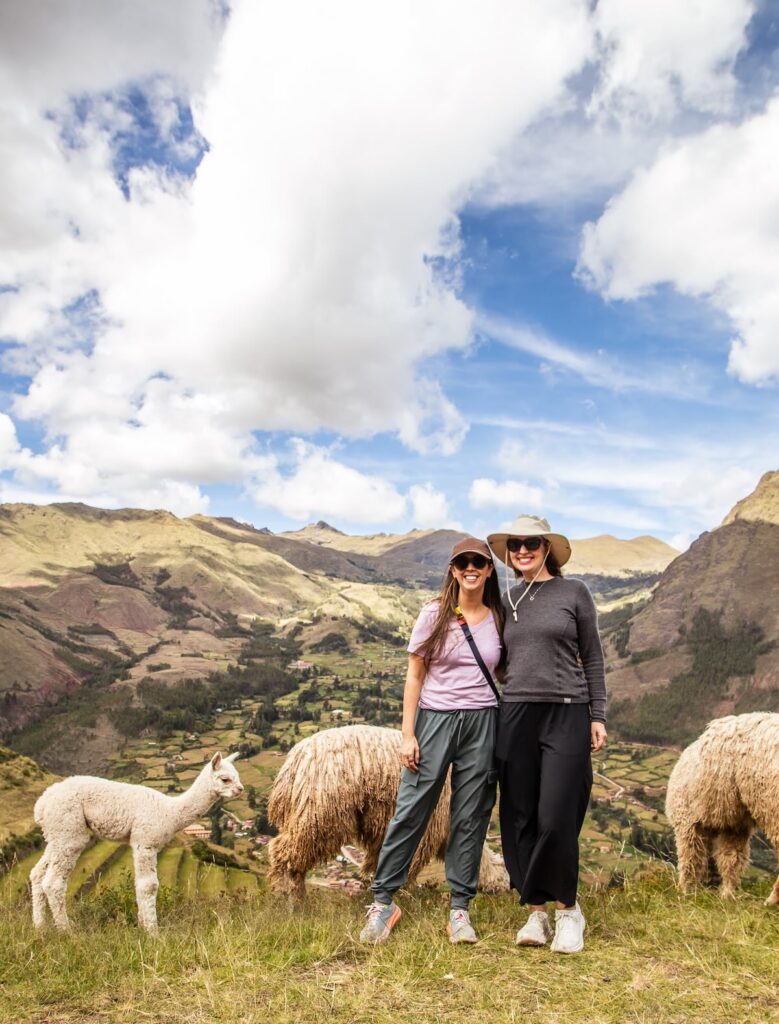
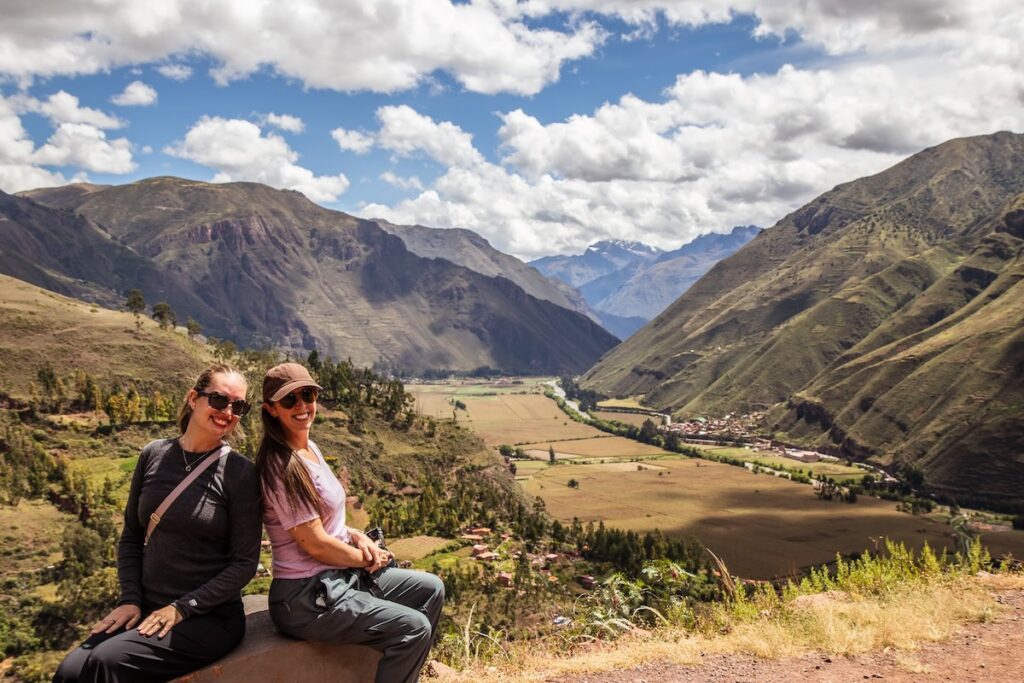
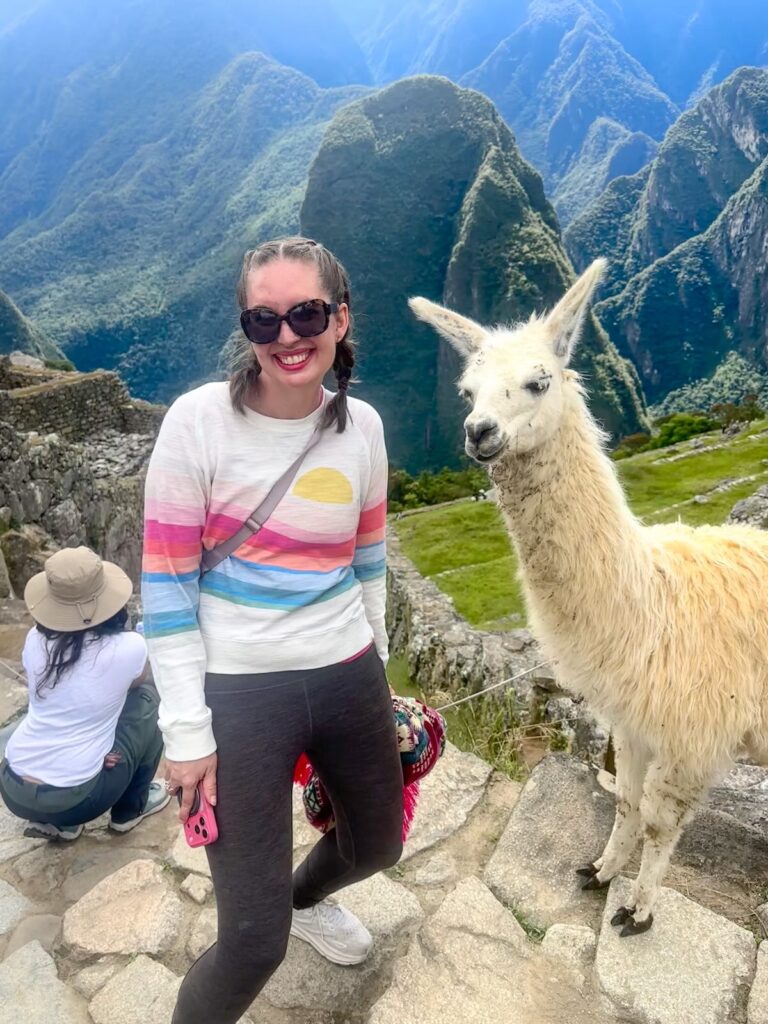
The Sacred Valley portion was rushed but still worth it. We stopped at the Pisac ruins (the llamas alone are worth the stop for photos) and Ollantaytambo.
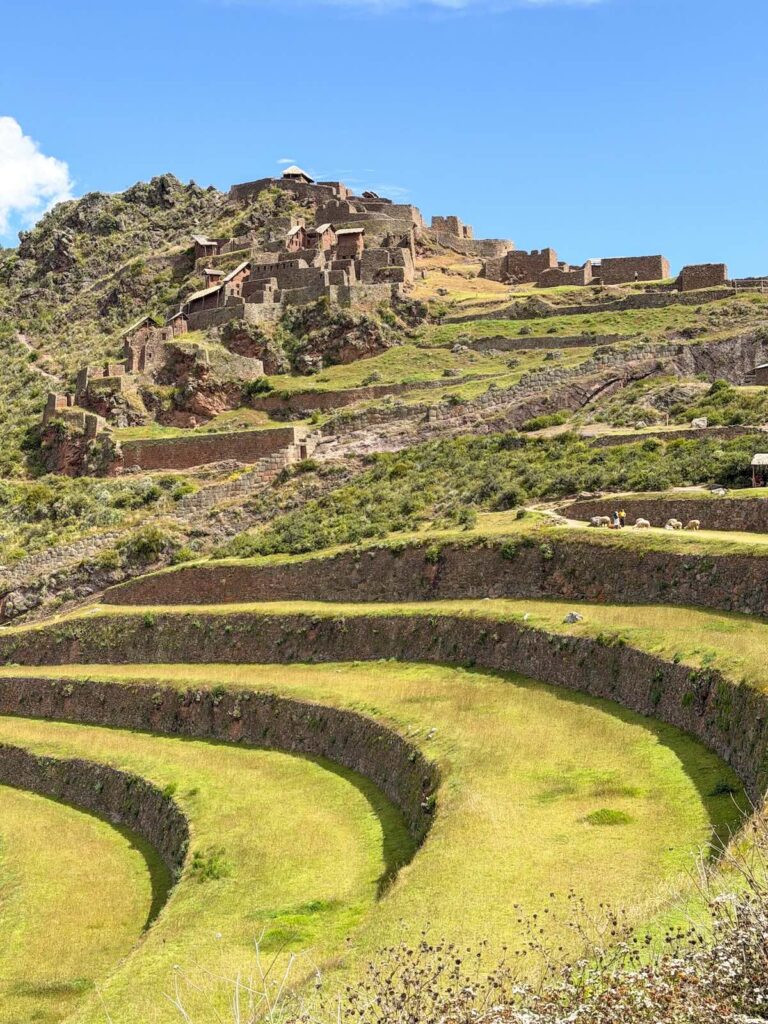
At Ollantaytambo, our guide wanted us to climb stairs for 20 minutes to reach the top. I made it about 10 minutes before my chest felt like it might give out.
I found a bench and sat down. A guard immediately blew a whistle at me and told me I couldn't sit there. So I just walked back down. No regrets.
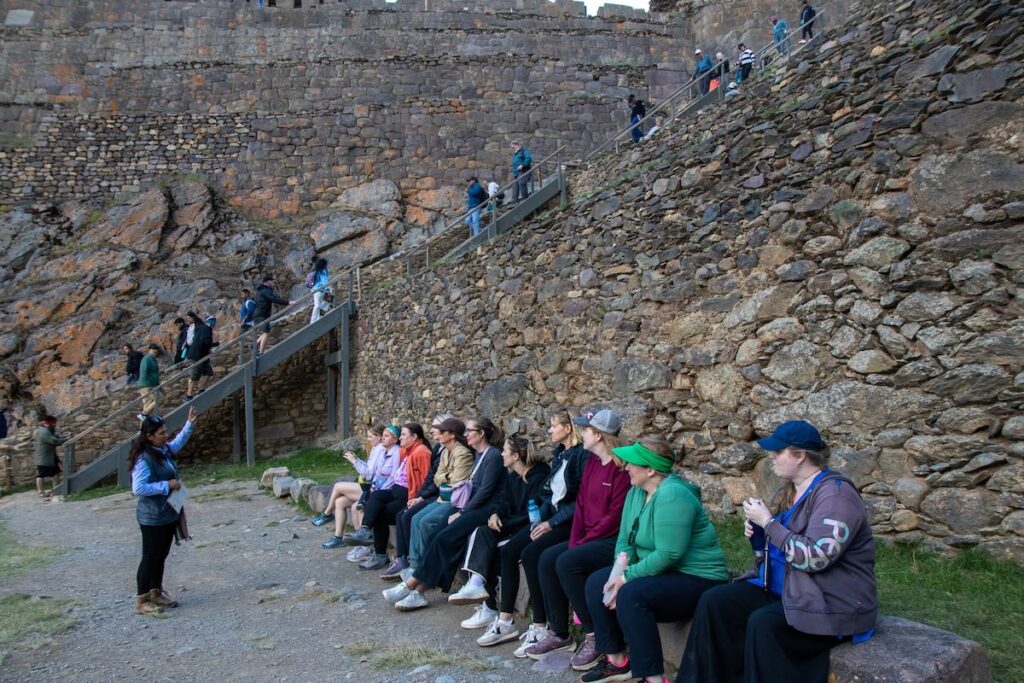
If I go back, I'd book a proper Sacred Valley day tour with a reasonable timeline instead of doing it in a sprint.
The Train Drama
Before we headed to the train station, we had to repack our bags in a parking lot because we were told the PeruRail train didn't allow roller bags. We had to leave our big suitcases with strangers in Cusco and take only our backpacks.
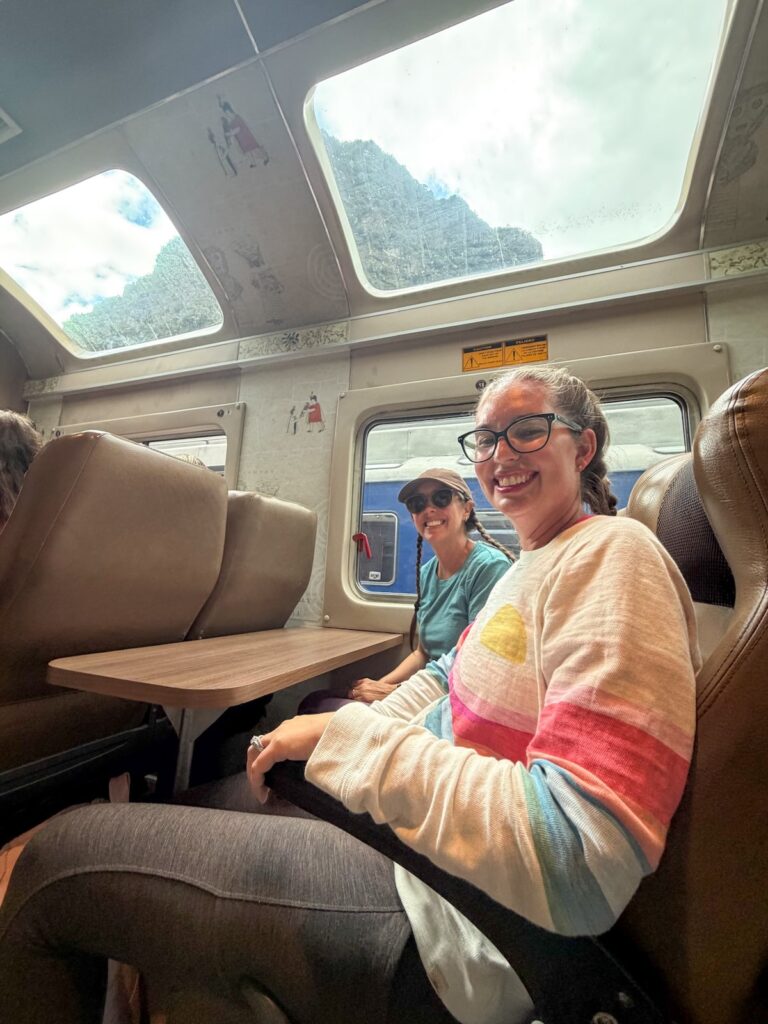
When we boarded the train, there was plenty of room for roller bags.
I was very annoyed. The train ride itself was fine, just under 90 minutes. It was dark by the time we left so there was nothing to see out the window going in.
Coming back during the day was a completely different experience. The scenery through the Sacred Valley is genuinely beautiful and worth staying awake for.
The 3am Permit Line
Four of us woke up at 2:45am and walked to the permit office together. It was dark, there were a lot of stray dogs out (more on that later), and there were already 112 people ahead of us when we arrived at 3am.
I actually wrote up our full Machu Picchu experience here, if you want more info.
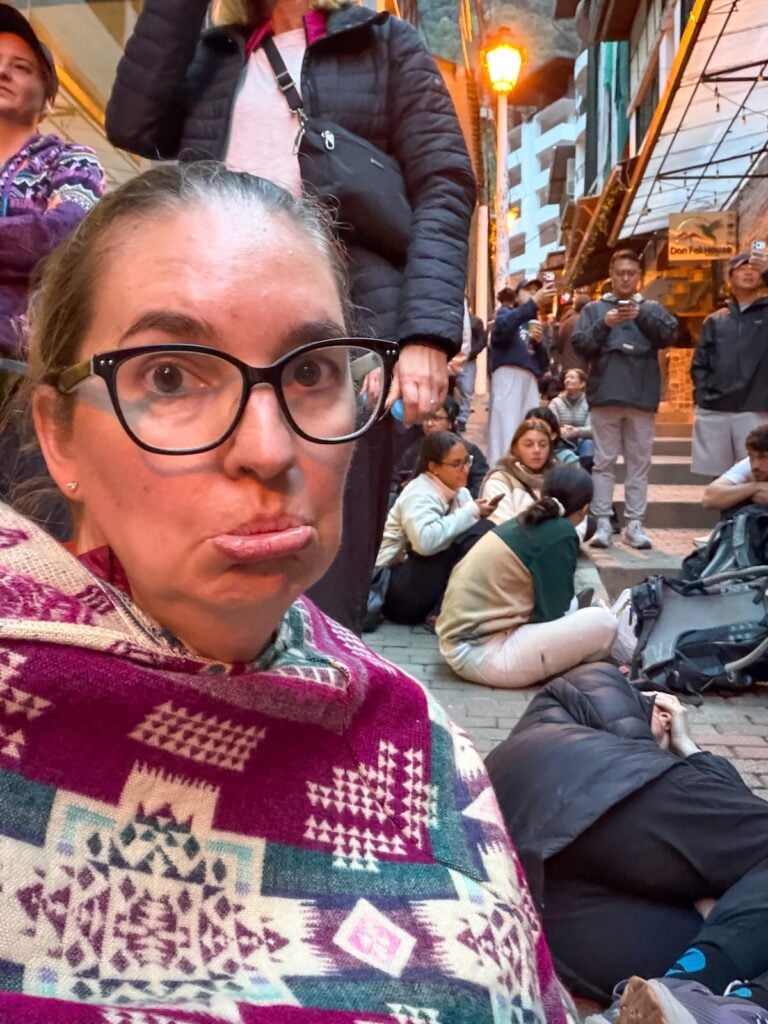
By the time our local guide showed up at 3:45am, the line had doubled. She later admitted she had never actually had to do this before because her guests always had their permits secured in advance. She was grateful we had shown up when we did.
The office opened at 6am and we reached the front at 7am. There were 15 tickets available for our preferred circuit and time slot. We got 13 of them.
Had we waited until 4am like the original plan, we would have been stuck with an afternoon slot that would have conflicted with our 4pm train out.
The process was straightforward once we got there. Our guide handled the purchase window entirely. We just showed our passports when asked and let her do the talking.
Two of my Instagram followers reached out when they saw my stories.
One stood in line on a Tuesday, was number 978 in line, and got a spot for Thursday on one of the least desirable circuits. Another was missing one permit for her large group and her local guide helped her get one through unofficial channels.
Both got in, but neither had a smooth experience.
How to Get Machu Picchu Tickets
If you're booking independently or your tour hasn't handled permits, book Machu Picchu tickets here through the official government site.
Tickets for the classic Circuit 2 currently run about $48 USD per person for foreign tourists, rising to approximately $52 USD from May 2026 onward. That's a big jump from what I vaguely thought it cost (the tour covered ours, so I genuinely had no idea).
For a fully guided experience, guided Machu Picchu tours handle the logistics completely.
Book 3 to 4 months in advance during peak season (June through August). And do not visit on a Sunday. That's when locals can enter for free with a permit and it is packed.
We stayed at Hotel Inti Pacha Palace in Aguas Calientes, which was comfortable and well located. The town is basically one long souvenir market with restaurants attached. It is not a destination.
Get a poncho for your photos (more on that in a moment), eat a good dinner, and go to bed early.
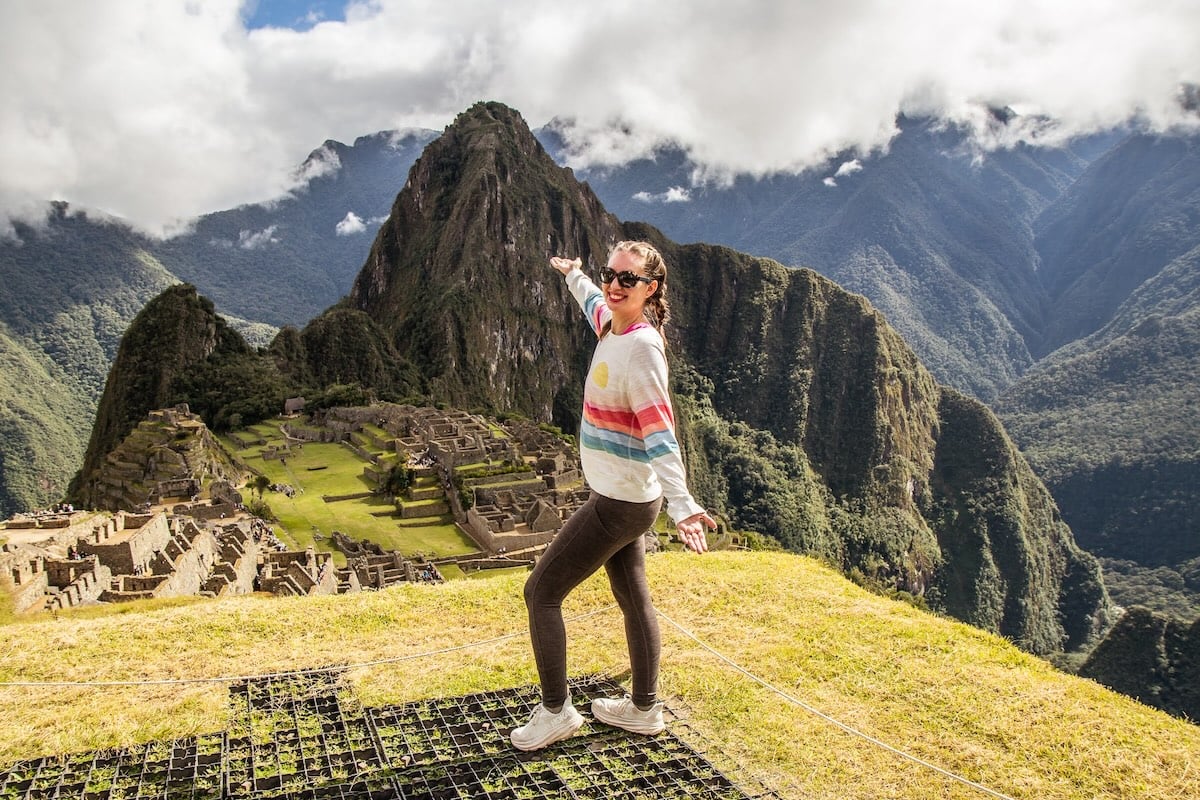
Machu Picchu: Worth Every Chaotic Moment
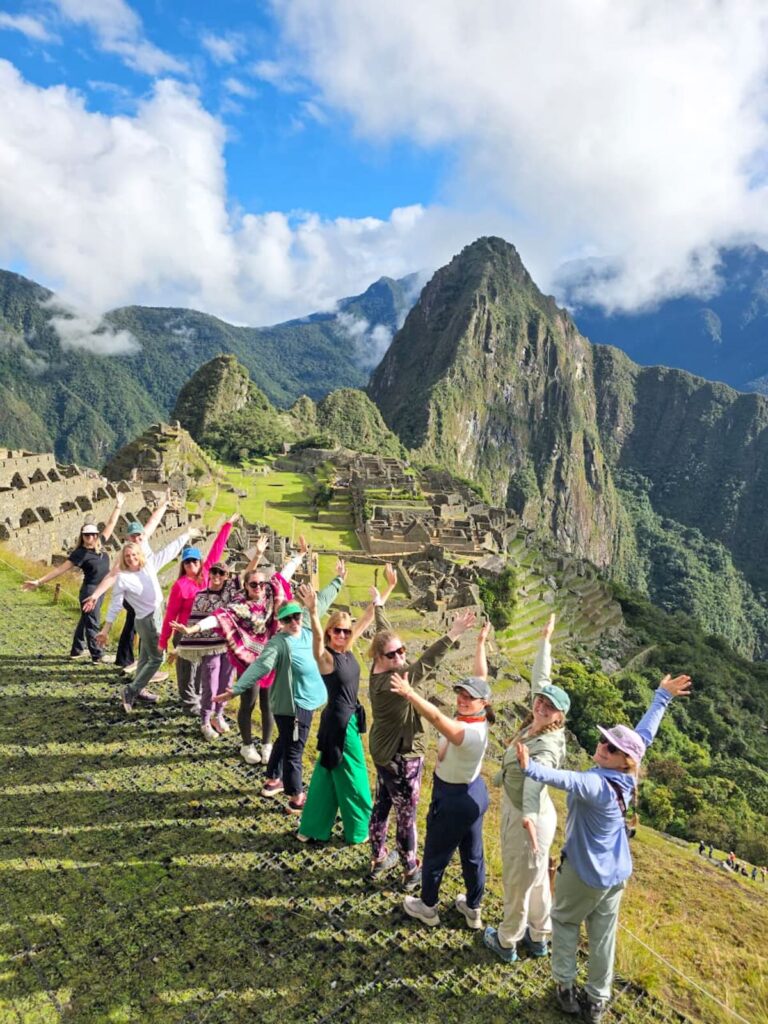
We woke up at 5am. Grabbed our packed breakfasts. Put matching French braid pigtails in our hair because we had apparently decided that was important. Then caught the bus up the switchbacks to Machu Picchu.
I had done zero research into the ruins themselves and knew only what I had retained from 6th grade social studies. Going in without expectations turned out to be the right call.
Which Circuit to Choose
We did Circuit 2 (formerly called Circuit 2A), which is the classic route and the one I'd recommend to anyone who only gets one shot at this.
It covers the most significant parts of the site including the Sun Temple, the Temple of the Condor, the agricultural terraces, and multiple iconic viewpoints. Plan for about 4 hours.
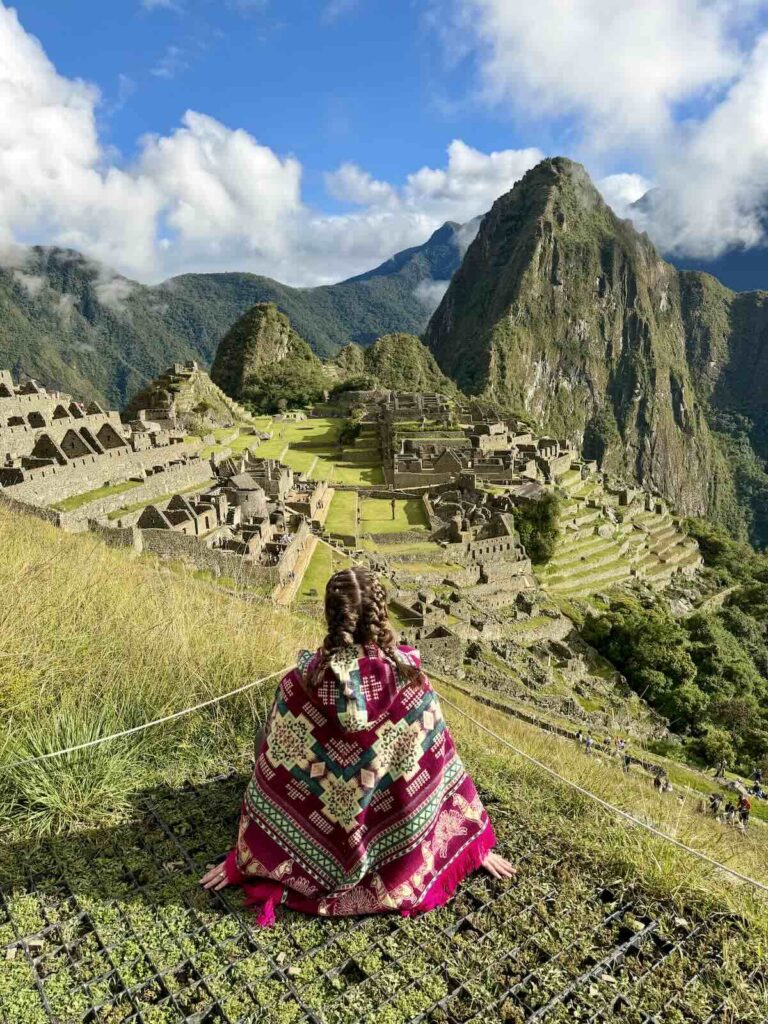
Do not skip the first photo lookout to go straight to the platform the way our guide suggested.
She was right that the platform view is more expansive. She was wrong that it's better for photos.
At the first lookout, the ruins are right behind you at the perfect scale. At the top platform, you're so high up that people look tiny in front of the view.
We waited 20 minutes in line at that first stop. Completely worth it.
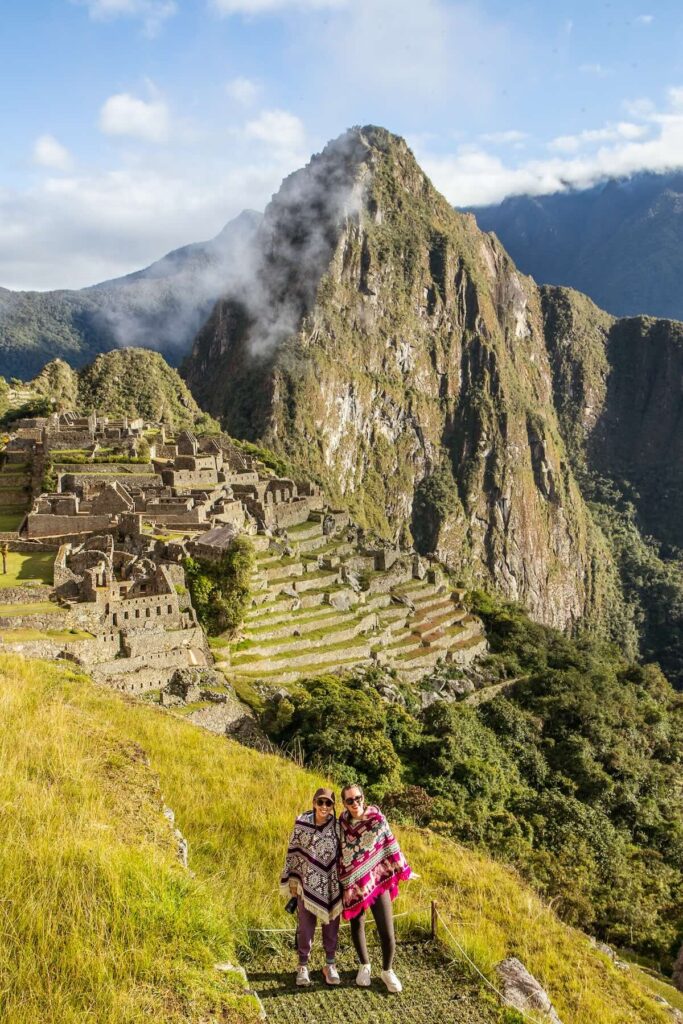
Vanessa and I had bought cheap woven ponchos at the train station a couple of days before for about $24 each.
We wore them specifically for the photos and they are in every single one of my favorites from that day. If you don't have a professional photo session booked at Machu Picchu, at least buy a poncho.
The Reality of Visiting
We spent four full hours there. By the end, most of our group was pretty done.
Our guide's history portion ran about 40 minutes in direct sunlight and I had left my hat at the hotel.
I live in Seattle where the sun is not a reliable presence, and I paid for that oversight. Sunscreen. Hat. Both mandatory.
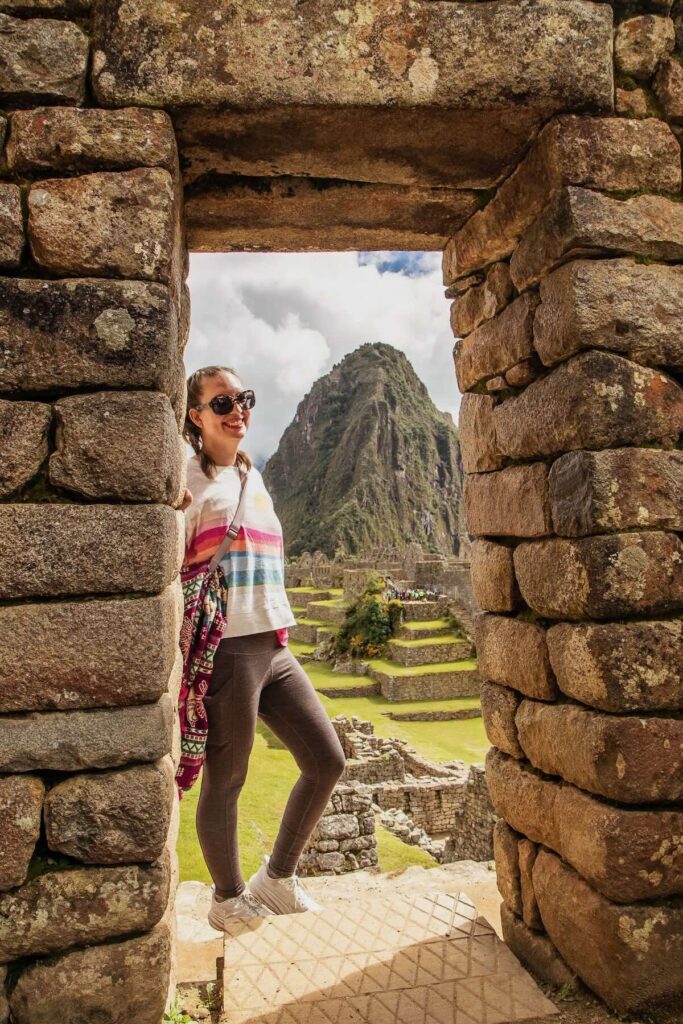
There are also NO restrooms inside Machu Picchu. So our group had to strategically sip our water so we could last 4 hours without a restroom.
You technically can use the "jungle bathroom" (which is just finding a secluded spot to pee outdoors) but remember this is a sacred world wonder.
The Sun Temple was the highlight I didn't expect. Seeing something in person that you learned about in elementary school and assumed you'd never actually see is a strange and good feeling.
After the circuit, we bused back to Aguas Calientes and went to Green House for lunch. I ordered grilled trout with curry risotto. It was the single best thing I ate in all of Peru.
The Amazon: Four Nights at Tahuayo Lodge
From Cusco we flew to Lima, then to Iquitos, met our guides at the airport, got sack lunches at the tour office because everyone was starving, and then boarded a speedboat for a 3.5-hour ride on the actual Amazon River.
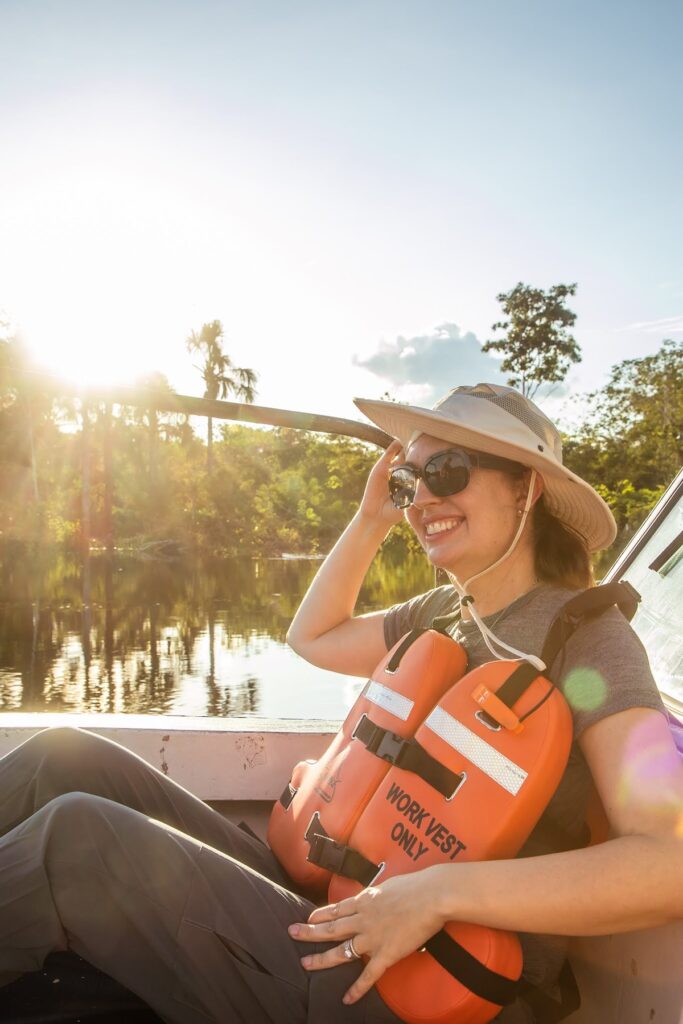
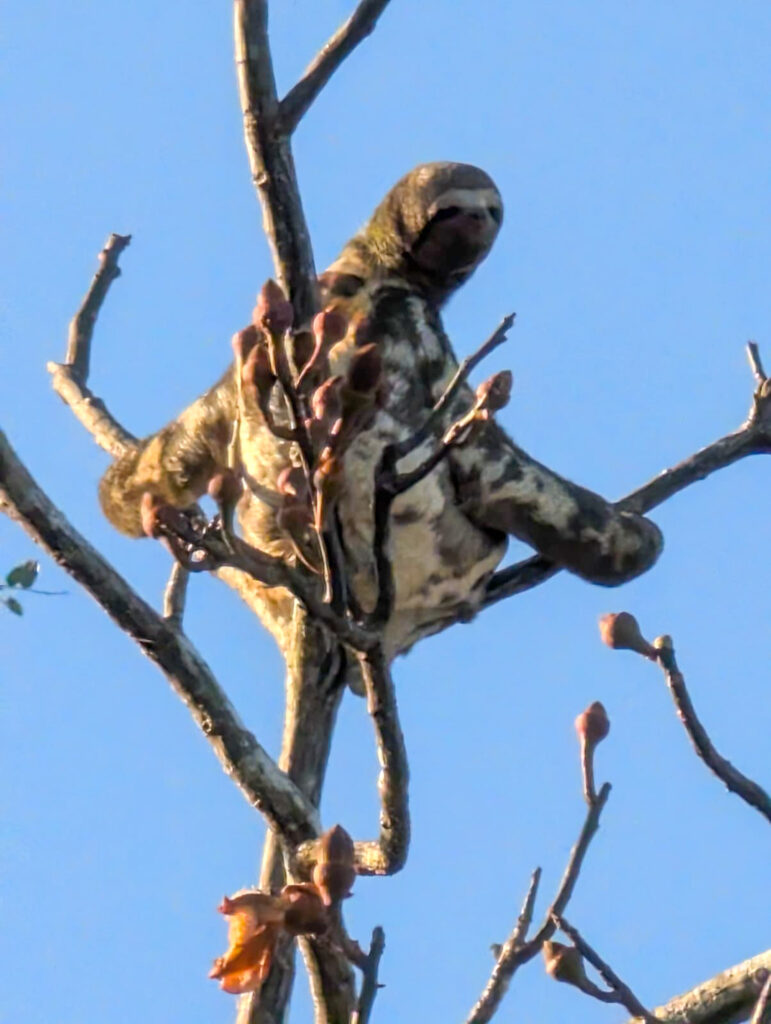
Somewhere in the middle of all that water, our captain cut the engine and pointed up at a tree. There was a sloth sitting in the branches above us, completely unbothered. I was not prepared for how surreal that moment felt.
What to Expect at the Lodge
Tahuayo Lodge is rustic in a way that feels right once you're there. Our room had three beds, a private bathroom, and a fan, which was essential at 85 degrees with full humidity.
Wifi only worked in the lobby. Devices could only be charged during two specific windows each day to conserve energy: 1 to 3pm and 6 to 8pm. We structured our entire schedule around those charging windows.
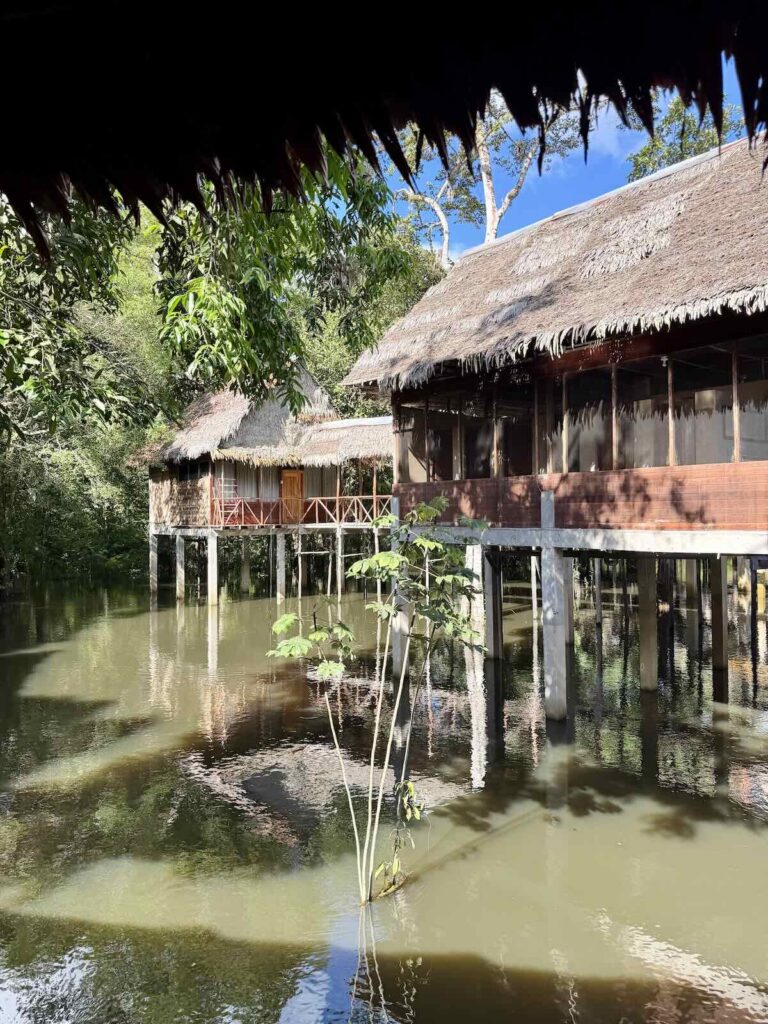
Here's what nobody told me before I packed: you can wear shorts, tank tops, and sandals at the lodge itself.
I overpacked for the jungle portions thinking I'd be in long sleeves constantly. At the lodge, casual comfort is totally fine.
The other thing nobody warned me about: the showers run on water pulled from the Amazon. You are not going to feel clean. You are going to smell like the river. Embrace it and pack dry shampoo.
The Excursions
Piranha fishing was one of the funniest experiences of the trip. Our guide Mishell used a machete to chop raw beef into bait, tied the pieces to hooks on sticks, and handed them out.
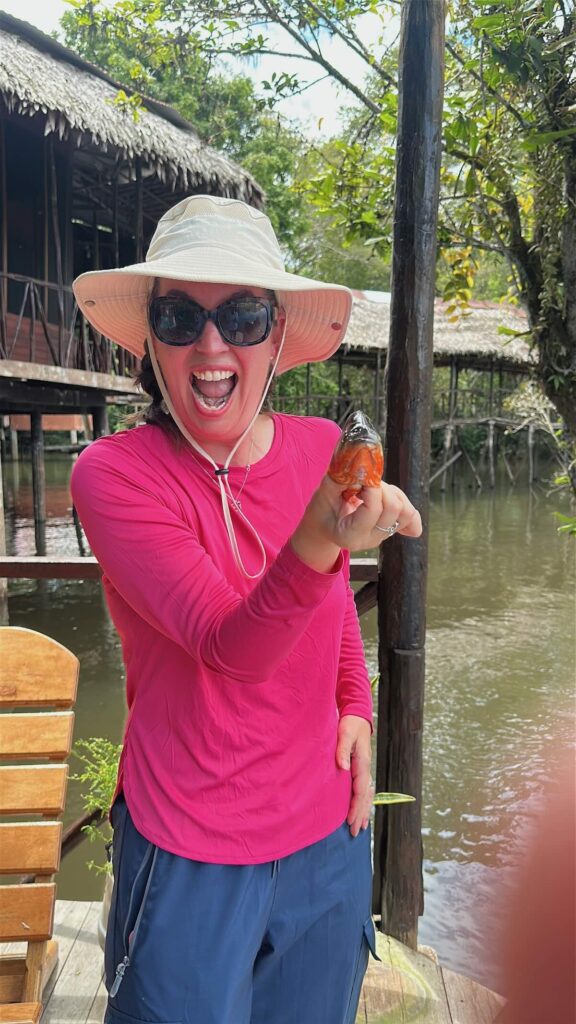
Everyone in our group caught something except me. I got nothing.
Mishell caught six piranhas on her own and cooked them for lunch so we each got a full fish. Surprisingly delicious.
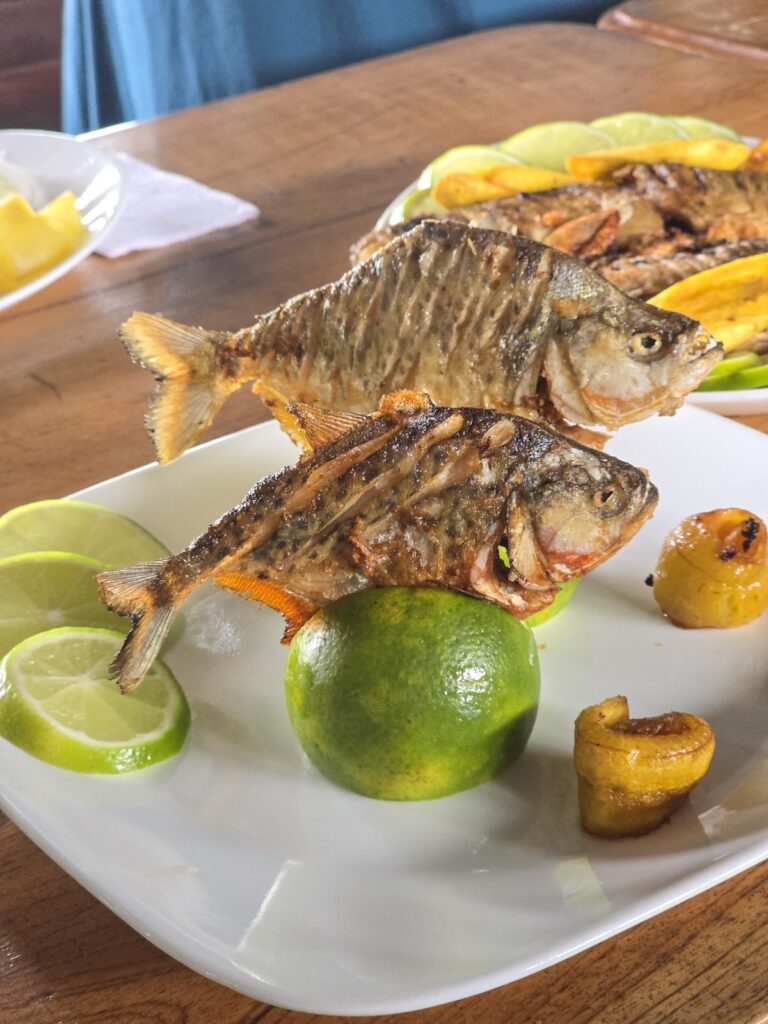
I did not get to keep piranha teeth as a souvenir, which I had really been looking forward to. That's because she cooked it whole for us and cooked piranha teeth aren't good souvenirs. Lesson: catch your own piranha.
The flooded forest canoe excursion was one of the most peaceful hours of the entire trip.
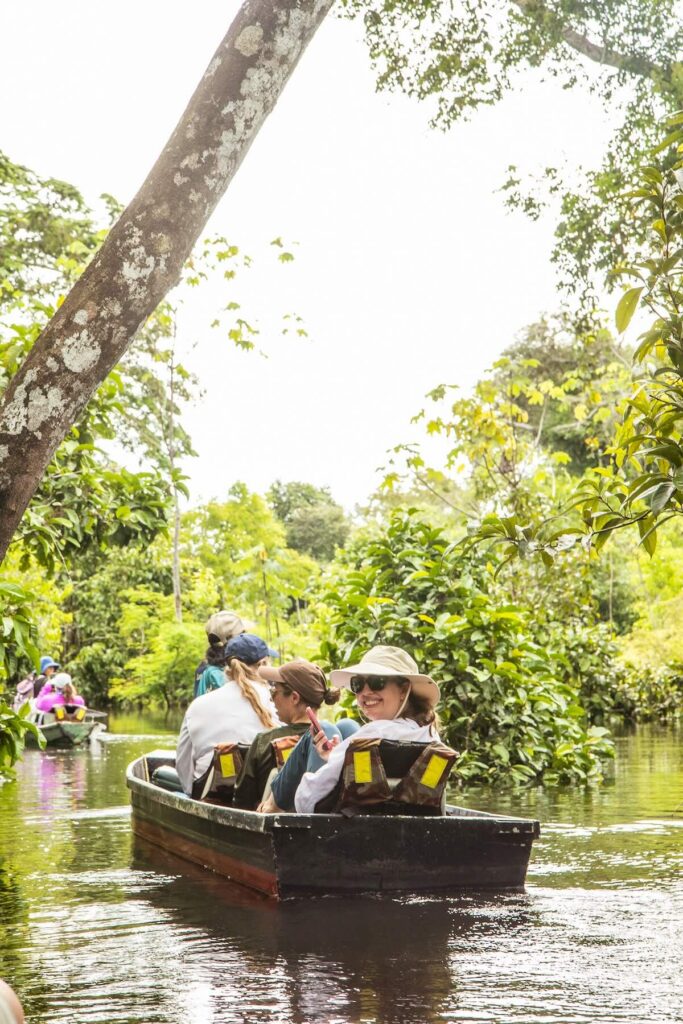
Mishell paddled through a dense canopy of trees with one hand and cleared branches with a machete in the other. She looked effortlessly powerful. We saw frogs, spiders, and birds in the branches around us.
Pink dolphins were a highlight even though we mostly just saw fins and backs breaking the surface.
Watching a mama and her baby surface together in the middle of the Amazon River is not something you forget.
The El Chino village was genuinely moving. The name comes from a Chinese shopkeeper who ran the local store years ago and the name stuck long after he was gone.
We shopped at a women's collective and I found a blowdart gun, piranha teeth, and catfish tooth knives for my boys. They were extremely excited about all of it.
The raffia weaving class was unexpectedly one of my favorite afternoons.
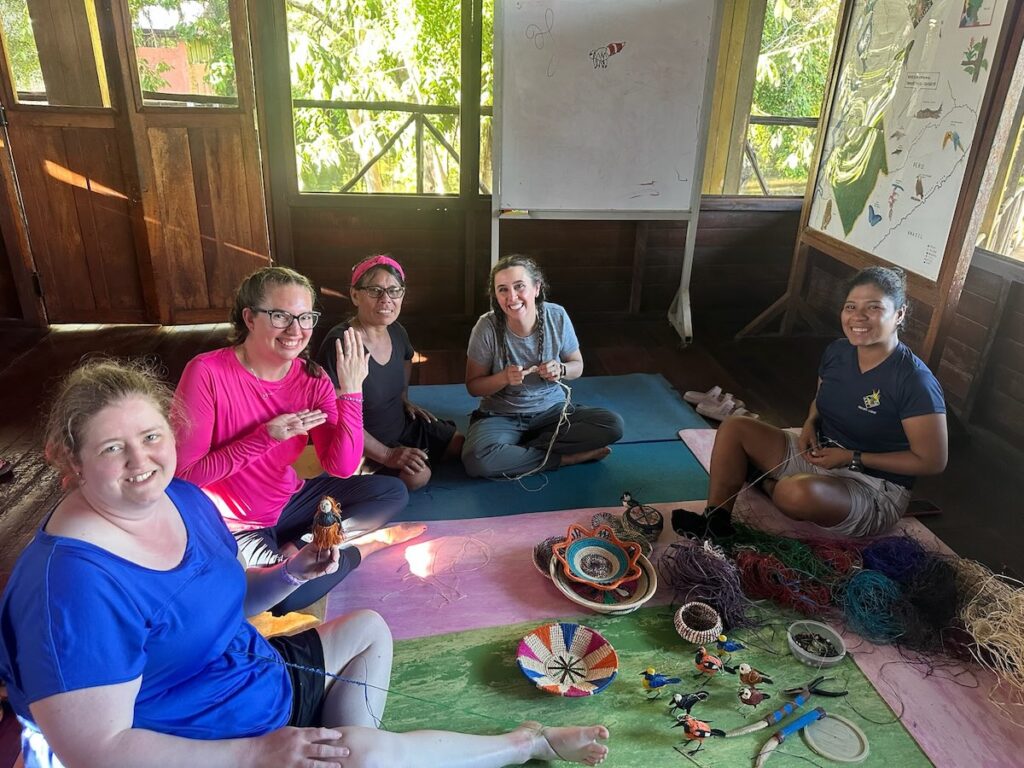
A woman came over from the village and showed us earrings, baskets, bracelets, and decorative knives she'd made, then taught us how to weave our own pieces.
It reminded me of making ti leaf leis in Hawaii. I made a bracelet.
What to Pack for the Amazon
This is the section I wish someone had handed me before I left:
- Pretreated bug clothes or treat your own before you go. The mosquitoes are real.
- Strong DEET bug spray for exposed skin during excursions
- A good portable charger since charging windows are limited
- Shorts, tanks, and sandals for wearing around the lodge
- Quick-dry clothes for excursions
- A Kindle or paperback for downtime in the hammock room
- Dry shampoo, because Amazon showers are an experience
Practical Tips for Your Peru Trip
Start in Arequipa, Not Cusco
Flying straight to Cusco from sea level is a lot to ask of your body. Arequipa at 8,000 feet gives you a chance to acclimate before you hit Cusco at over 11,000. Two nights is ideal. One is fine if you move at a fast pace.
Give Cusco More Time Than We Did
We barely got breakfast there because of the permit situation and I genuinely felt robbed of the city. Give yourself at least one full day there, two if you like to explore slowly. We stayed at Hotel Raymi, which was comfortable and centrally located.
The Wild Dog Situation Is Real
There are a lot of feral dogs in Arequipa, Cusco, and Aguas Calientes. They get bolder at night and early morning when there are fewer people around. Two members of our group were gently bitten during our 3am walk to the permit office.
If a dog bites you, go to a hospital immediately. Ask your doctor about a rabies vaccine before you travel. I had one and it gave me real peace of mind.
Health Prep (The Stuff Nobody Told Us)
Our tour company did not send health prep information proactively. I only found out what I needed because another group member brought it up in the group chat.
One person ended up severely dehydrated after day one. Another had a stomach bug for multiple days. Go prepared.
Talk to your doctor before you go about:
- Altitude sickness medication, started before you arrive in Peru
- Malaria pills for the Amazon leg
- Motion sickness patches for the Amazon speedboat (it's sometimes not a calm ride)
- Typhoid and Hepatitis A and B vaccines
- Antibiotics or medication for traveler's diarrhea
Best Time to Go
We went in early May, the start of the dry season. The weather was mostly warm, nothing felt crowded, and there were no school holiday peaks.
Cusco was noticeably chilly when we arrived after dark, so pack a lightweight packable puffer. You'll want it in the evenings at altitude and won't need it at all in the Amazon.
Skip Iquitos
Our trip ended with a day in Iquitos before flying home and honestly: skip it. It doesn't add much to the experience.
If I did this trip again I'd fly back to Lima instead and use those hours there. Lima deserves more than an overnight.
Traveling With a Friend
As a family travel expert, I spend most of my travel life managing other people's needs.
A trip where you're only responsible for yourself and one trusted companion is genuinely restorative in a way that's hard to explain until you've done it.
What makes it work is finding someone who travels on the same wavelength. Same budget expectations, same pace, same willingness to get in line at 3am without making it a whole thing. Vanessa and I have that. It's worth protecting.
Should You Use a Tour Operator?
A tour made sense for us because the Amazon and Machu Picchu legs involve logistics that are genuinely difficult to manage independently.
That said: vet your operator carefully. Confirm every element of your itinerary in writing, and confirm your permits are secured before you leave home. Do not assume. Get documentation.
Arequipa we did completely independently and it was easy and wonderful. No tour needed there.
Final Thoughts
Peru earned its place on every bucket list. The food in Arequipa alone could justify the flight.
The moment you turn the corner and actually see Machu Picchu in person, after everything it took to get there, is something that stays with you.
And the Amazon at night, listening to the sounds of the jungle with a lightning storm rolling in, is unlike anything I've experienced.
If you want to actually capture those moments on camera, book a Flytographer session and save $20 with my link. Worth every penny in a place this beautiful.
The world is enormous and it's waiting for you. Go see it.
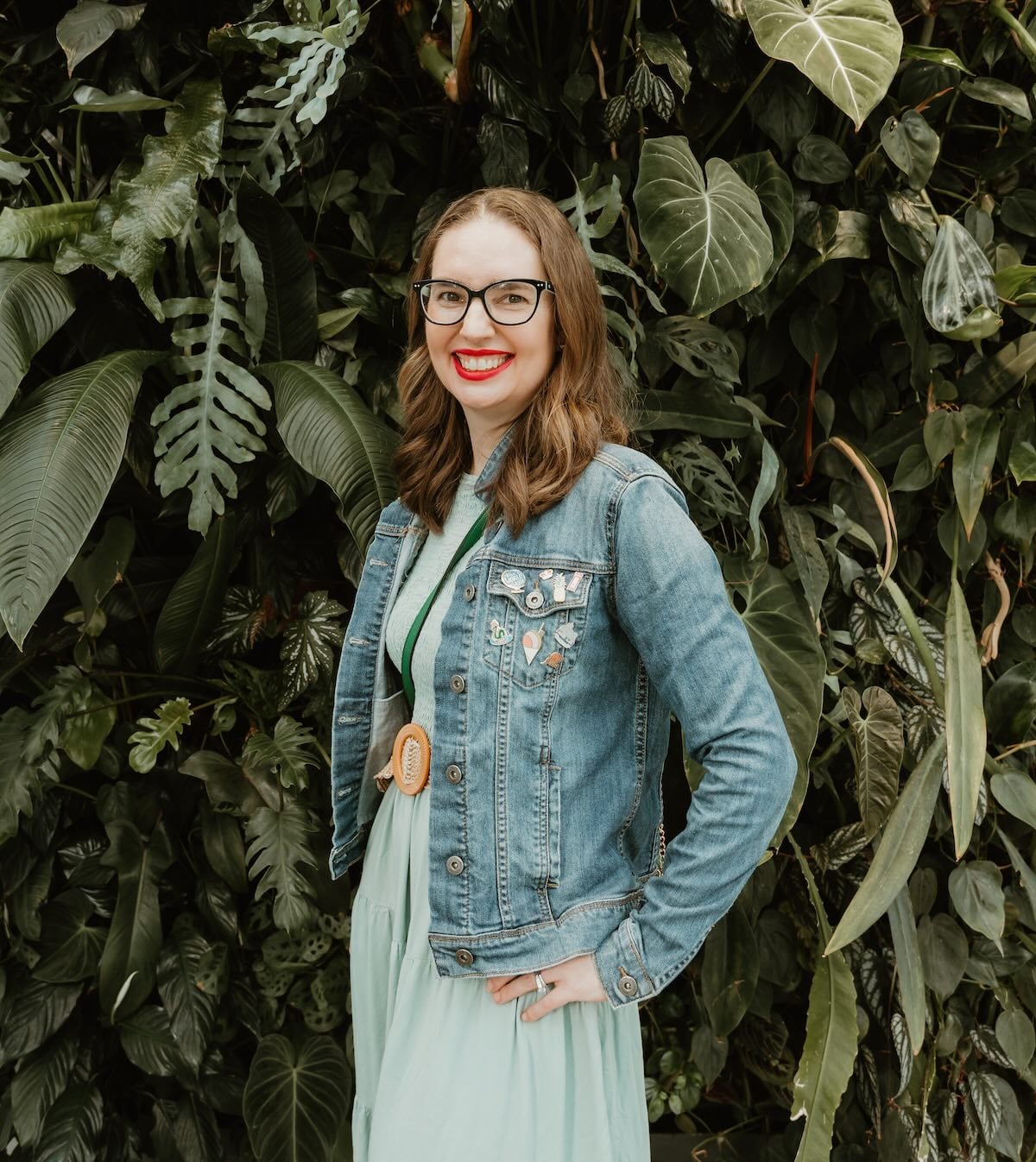
| About the author: Marcie Cheung is a family travel expert, destination guide creator, and founder of Marcie in Mommyland and Hawaii Travel with Kids. A graduate of Washington State University's Edward R. Murrow School of Communications with a background in public relations, she's spent over a decade helping parents plan stress-free vacations to Europe, Disney, and beyond. She's also a Hawaii Tourism Authority Certified Destination Expert who has partnered with travel brands and tourism boards to create trusted, family-tested content. Follow her latest trip planning tips on Instagram and Pinterest. |