Ultimate Guide to Planning a Trip to Norway’s Lofoten Islands: Essential Tips, When to Visit, and Must-See Highlights
Planning a trip to the Lofoten Islands, Norway, but don't know where to start? Keep scrolling for my ultimate guide to planning a trip to Norway's Lofoten Islands!
This Lofoten Islands planning guide was written by family travel expert Marcie Cheung and contains affiliate links which means if you purchase something from one of my affiliate links, I may earn a small commission that goes back into maintaining this blog.
Picture this: jagged peaks shooting straight up from turquoise waters, charming red fishing cabins perched on stilts, and endless summer daylight that makes you lose track of time completely.
Welcome to Norway's Lofoten Islands – a place so stunning it almost doesn't seem real.
Located above the Arctic Circle in northern Norway, the Lofoten Islands are a 100-mile stretch of dramatic peaks, pristine beaches, and picturesque fishing villages connected by bridges and tunnels.
This UNESCO World Heritage landscape offers some of the most breathtaking scenery you'll find anywhere on Earth, where mountains rise directly from the sea creating an almost otherworldly setting.
Whether you're a nature lover seeking midnight sun adventures, a photographer chasing that perfect shot of red rorbuer (fishing cabins), a hiker ready to tackle famous trails like Reinebringen, or an adventure seeker wanting to kayak under the midnight sun, Lofoten delivers experiences you'll never forget.
The islands perfectly blend raw natural beauty with rich cultural heritage, offering everything from Viking museums to world-class surfing at the northernmost surf spot on the planet.
When to Visit Lofoten Islands
Summer (June-August): Peak Season Magic
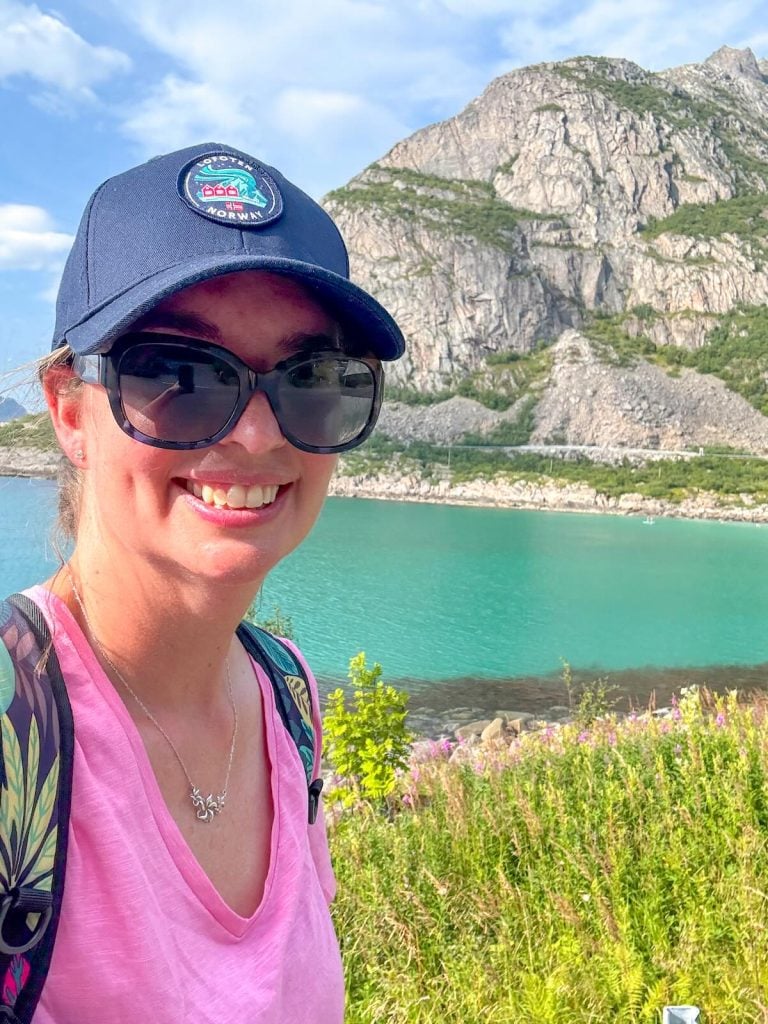
Summer is absolutely magical in Lofoten, and it's when I visited in late July/early August. You can read my full Lofoten Islands itinerary here.
The midnight sun is incredible – seriously, the sun doesn't set at all! It's perfect for cramming in tons of activities since you literally have 24 hours of daylight.
The weather is warmest (though still pack layers!), all tours and activities are running, and hiking conditions are ideal.
The downside? It's peak season, so expect crowds and higher prices. But honestly, experiencing that midnight sun kayaking tour and being able to hike at 11 PM because it's still bright out – totally worth it.
Autumn (September-November): Northern Lights Begin
As summer fades, you'll find fewer crowds and the first chances to see the northern lights start appearing in late September.
The landscape transforms with autumn colors, and you'll get better deals on accommodations. The weather becomes more unpredictable, so pack accordingly.
Winter (December-February): Aurora Season Peak
Winter brings the peak northern lights season with long, dark nights perfect for aurora hunting. The snowy landscape is absolutely stunning, and you'll have the islands mostly to yourself.
However, many activities shut down, the weather can be harsh, and you'll have very limited daylight hours – sometimes just a few hours of twilight.
Spring (March-May): Shoulder Season Charm
Spring offers a nice middle ground with milder weather returning, spring blooms beginning to appear, and quieter trails.
You might still catch some northern lights early in the season, and prices start to become more reasonable as the summer season approaches.
How to Get to Lofoten
Flight Connections: The Most Common Route
Getting to Lofoten requires some planning since it's quite remote. Based on my experience, most people fly into either Bodø or directly to Svolvær.
I flew from Bergen to Bodø (with a stop in Trondheim where we stayed on the plane), then took a connecting flight to Svolvær.

The flights were on Widerøe, and I was pleasantly surprised – they were much larger aircraft than I expected, not tiny prop planes!
Just be prepared for early morning departures. Our two flights to get to Svolvær by 11:25 AM required a 3:30 AM wake-up call. The flights were quite full, so book in advance.
From Bodø, you can also take a ferry to the islands if you prefer, which some people find more scenic than flying.
Driving Options
If you're already in Norway, you can drive to Lofoten. The islands are connected to the mainland by the European route E10, which includes some impressive tunnels and bridges.
It's a long drive from major cities like Oslo (about 20+ hours), but the scenery along the way is spectacular if you have the time.
Ferry Options
Several ferry routes connect Lofoten to the mainland and other parts of Norway. The ferry from Bodø to Moskenes is popular, taking about 3.5 hours. This can be a more relaxed way to arrive, especially if you're bringing a car.
Pros and Cons
Flying is fastest but more expensive and requires connecting flights. Driving gives you total flexibility and great scenery but takes much longer. Ferries offer beautiful views and are relaxing but have limited schedules and take longer than flying.
Where to Stay in Lofoten Islands
Fishing Cabins ("Rorbuer"): The Authentic Experience
Staying in traditional rorbuer (fishing cabins) is absolutely the way to go for that authentic Lofoten experience!
I stayed at Henningsvær Rorbuer AS and Hemmingoden Lodge, and both were incredible. These red wooden cabins on stilts over the water are what make Lofoten so iconic in photos.
At Henningsvær Rorbuer AS, our group was split between two cabins – I was in one with eight people sharing one bathroom (tight but manageable!).

The family-owned operation was so welcoming, and the views were absolutely stunning. The location was perfect for walking into the trendy town of Henningsvær. Check the latest rates and availability.
Hemmingoden Lodge had us in smaller groups of three, which was more comfortable. The scenery around this rorbuer was particularly breathtaking. Check the latest rates and availability.
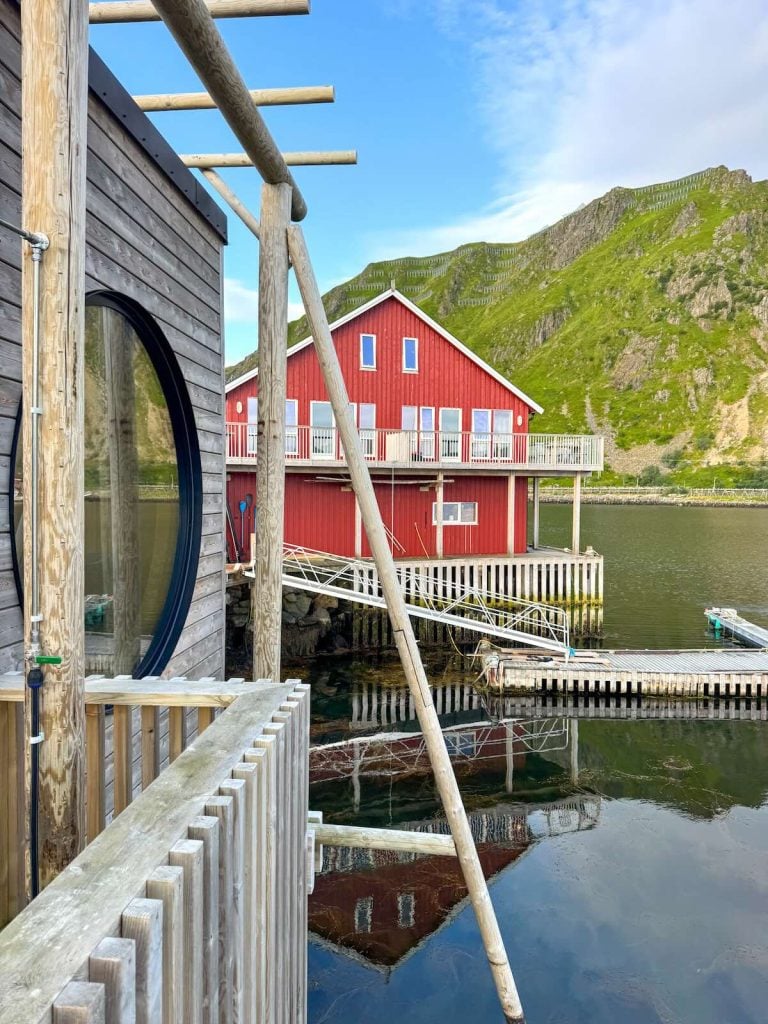
Just know that most rorbuer don't have blackout curtains, so bring a good eye mask for sleeping during midnight sun season!
Hotels and Guesthouses: Convenient Comfort
For a more traditional hotel experience, I can't recommend Thon Hotel Svolvær highly enough. The location is fantastic – you can walk to shopping, restaurants, grocery stores, and the waterfront. Check the latest rates and availability.
But the real highlight is their breakfast spread, which was one of the most incredible hotel breakfasts I've ever experienced. We're talking full English breakfast, fresh fruit juices, smoothies, Norwegian specialties, chia puddings – everything you could want.

They also have an on-site sauna you can rent, which was the perfect way to end our first travel day. The hotel has excellent blackout curtains, which you'll appreciate during midnight sun season.
Camping: Budget-Friendly Adventures
If you're looking to save money, camping is a great option. We visited Hov Beach which also operates as a campground and has nice shower and bathroom facilities.
Wild camping is generally allowed in Norway following "Right to Roam" principles, but be respectful and follow Leave No Trace practices.
Must-See Highlights
Picturesque Towns
Henningsvær
This was definitely one of my favorite stops – it's known as one of the "trendy" towns in Lofoten, and I can see why!
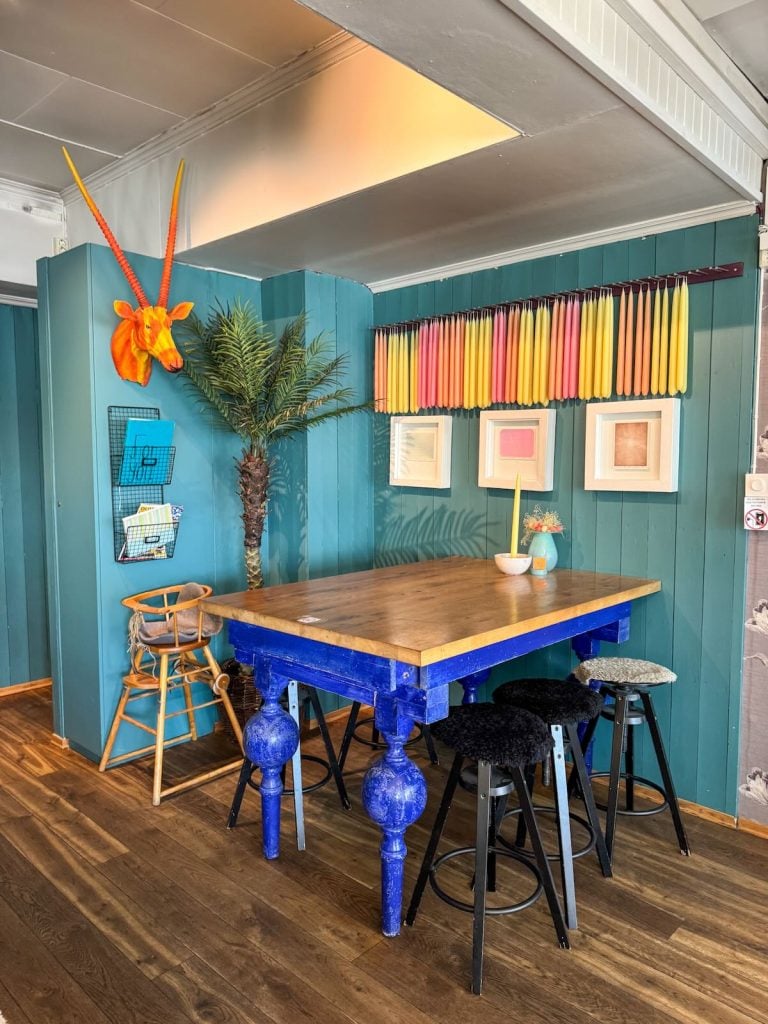
The shopping is fantastic with boutiques selling gorgeous wool beanies and handmade sweaters (though be prepared for sticker shock – we saw sweaters for $450-600 that apparently last generations).
Don't miss Lysstøperi Cafe for their famous cinnamon buns and Instagram-worthy candle displays. Trevarefabrikken is great for breakfast. The town is incredibly walkable and photogenic with boats bobbing in the harbor.
Reine
Reine is absolutely stunning and home to the famous Reinebringen hike.

The town itself is small but charming, with a great visitor center that has excellent souvenirs and where you can get a certificate if you complete the Reinebringen hike. Tapperiet restaurant has excellent fish and chips if you're hungry after hiking!
Nusfjord
While I didn't visit Nusfjord personally, it's one of Norway's best-preserved fishing villages and definitely worth adding to your itinerary for its authentic preserved architecture and cultural experiences.
Natural Landmarks
Trollfjorden Fjord
Our RIB boat tour took us through this incredible fjord, and I was honestly nervous about the smaller boat at first. But it turned out to be one of the calmest boat rides I've done!

The smaller boat meant we could get much closer to eagle spotting areas (we saw SO many eagles) and scenic viewpoints that larger boats can't reach.
Unstad Beach
This is the northernmost surfing beach in the world! Even if you're not surfing, it's worth visiting to watch the brave souls in wetsuits catching waves.

Arctic Surf Cafe here claims to have the "world's best" cinnamon buns, and honestly, their sunshine roll (cinnamon bun with vanilla custard) was incredible – definitely the best I had in the islands.
Haukland Beach
This beach is gorgeous, though our group felt three hours was too long here. There's plenty of parking, bathrooms, and a cafe with a gift shop. Great for photos and a quick visit, but you might not need a full afternoon.
Rørvik Beach
We spent three amazing hours here and really lucked out with gorgeous weather! This was probably the prettiest beach I saw in the Lofoten Islands.
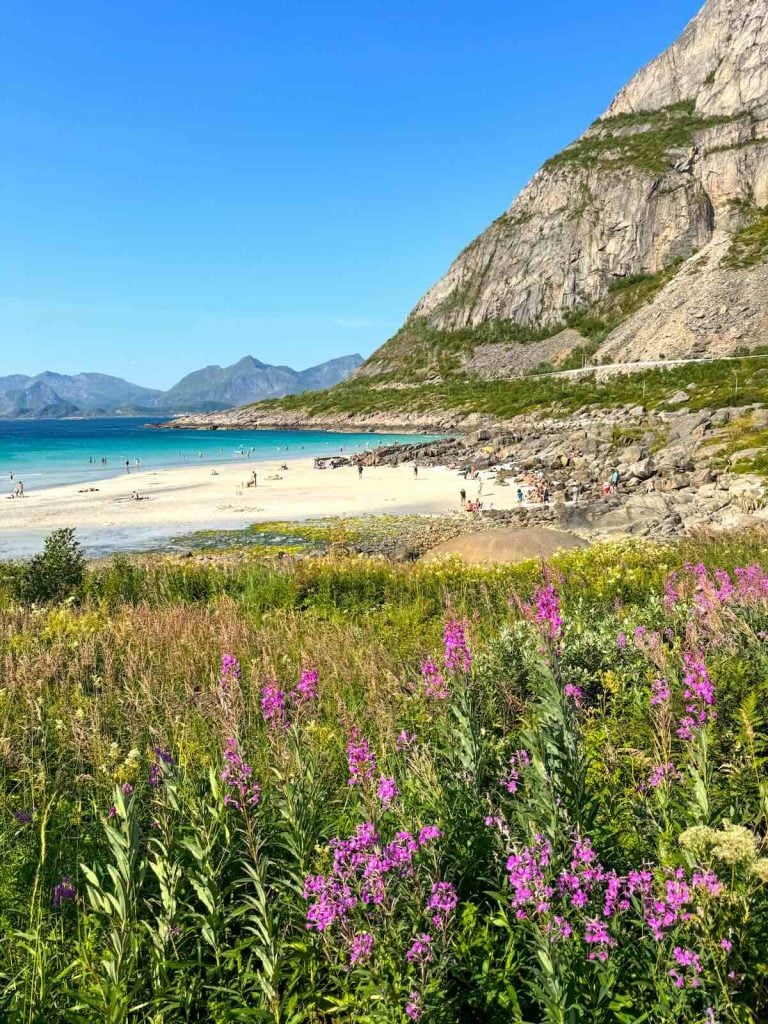
Just a heads up that the tides change dramatically, so our beach towels got soaked from the wet sand. But it was such a fun beach day.
Cultural Sites
Lofoten Viking Museum
This was SO cool and definitely a highlight! We rode on an actual Viking boat (though the wind picked up so we sailed instead of rowing like the group before us), and I tried archery and axe throwing. I'm proud to report all three of my axe throws hit the target!
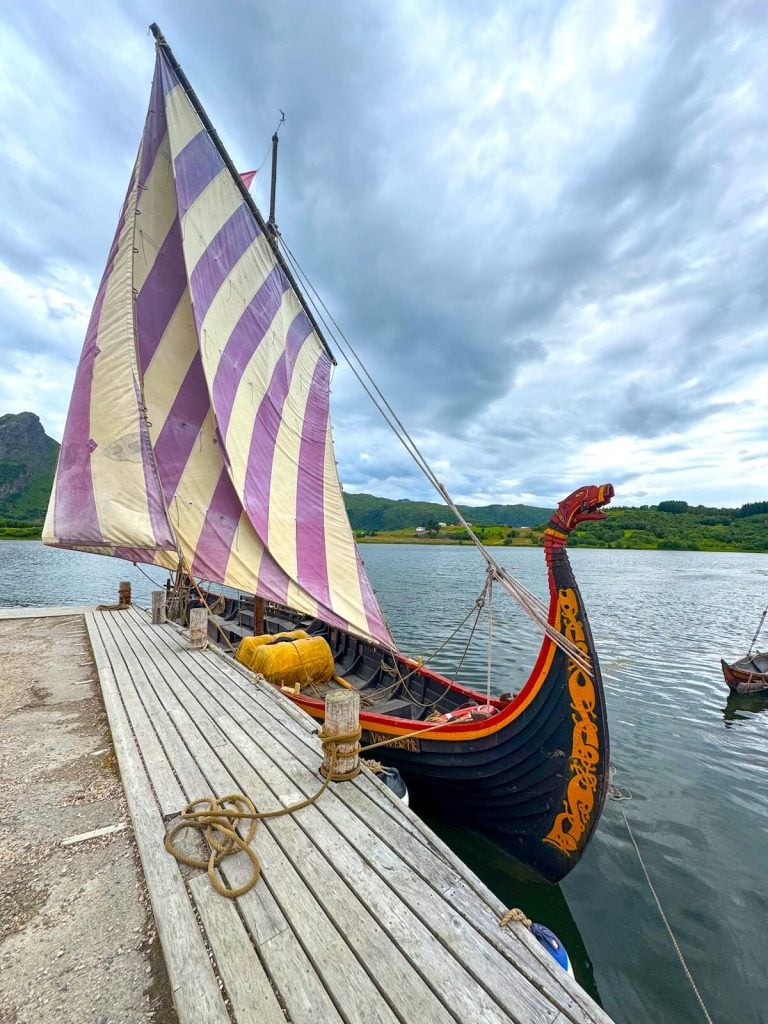
The museum itself is fascinating, though I wish we'd had about 30 more minutes to explore all the hands-on activities. Definitely book this experience.
Local Farms and Experiences
We did a cheese tasting at Lofoten Gårdsysteri, though it felt a bit underwhelming – more of a cheese board at a cafe than the farm experience I was expecting. Hov Farm had excellent fish soup that really hit the spot after our sauna experience.
Essential Travel Tips
Car Rental vs. Public Transport
If you're not doing an organized tour like I did with Into the Wild Adventures, I'd definitely recommend renting a car.
The islands are connected by bridges and tunnels, but public transportation is quite limited. Having a car gives you the freedom to explore at your own pace and make those impromptu photo stops (like the Instagram-famous yellow house we spotted!).
Booking Tours and Activities in Advance
This is crucial, especially in summer! Our midnight sun kayaking tour wasn't originally on our itinerary, but someone suggested it and we all agreed to add it.
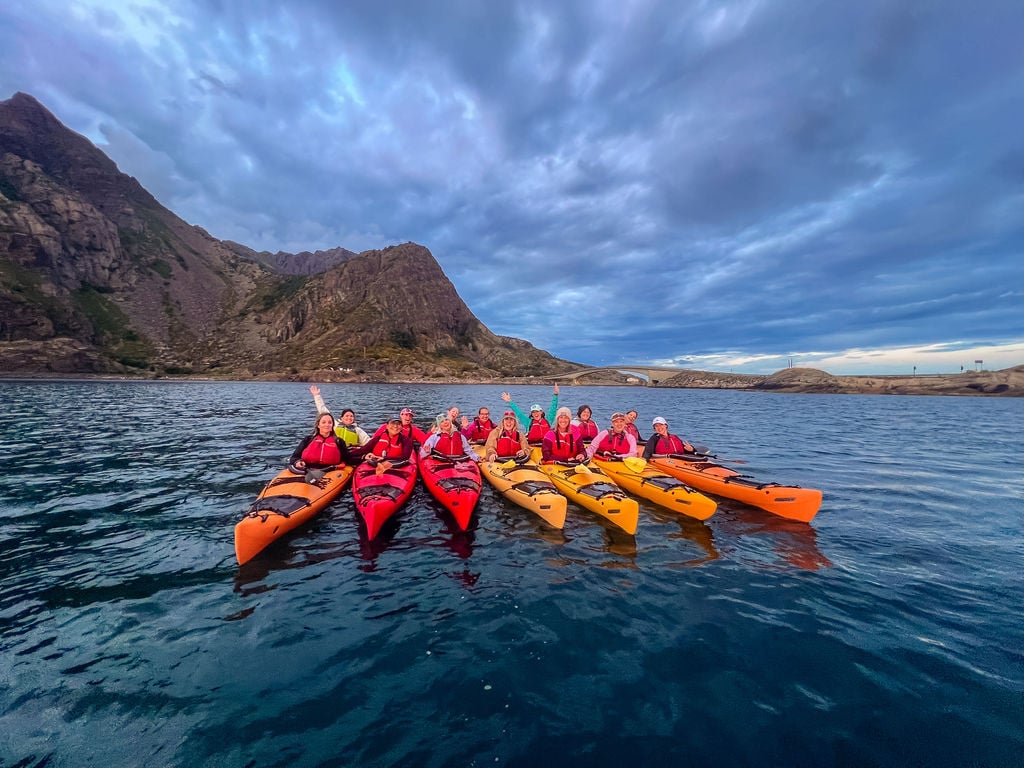
It ended up being one of my favorite activities – the water was calm and quiet, and the views were absolutely amazing. The tour company even had a photographer guide who gave us all the photos afterward.
Book your RIB boat tours, Viking Museum experiences, and any hiking guides well in advance. Summer is peak season and popular activities fill up fast.
Budgeting Advice
Not going to sugarcoat it – Lofoten is expensive! Norway in general is pricey, but the islands are even more so since everything has to be shipped in. Here's what to expect:
- Simple lunches easily cost $30-40 per person
- Dinners can run $40-60+ per person
- Those gorgeous handmade wool sweaters are $450-600 (but apparently last generations!)
- Currency is Norwegian Kroner (NOK)
Money-saving tips: Stock up on snacks from grocery stores like Joker when you can, take advantage of hotel breakfasts (especially if they're included!), and consider staying in rorbuer where you can prepare some of your own meals.
What to Pack
Layers, layers, layers! I cannot stress this enough. We had gorgeous beach weather one day and needed jackets the next. The weather can change super quickly, so pack:
- Waterproof jacket
- Warm layers (that wool you see everywhere isn't just for show!)
- Comfortable hiking boots
- Eye mask (essential for midnight sun season!)
- Swimsuit (if you're brave enough for those arctic waters!)
- Camera gear (you'll want to capture everything!)

Lofoten Islands Planning Guide Wrap-Up
The Lofoten Islands truly offer some of the most spectacular scenery and unique experiences you'll find anywhere in the world.
From kayaking under the midnight sun to hiking those famous stone steps up Reinebringen, from experiencing authentic sauna culture to staying in traditional rorbuer over the water – every moment feels like something out of a fairy tale.
Yes, it requires some planning and a decent budget, and yes, the journey to get there involves multiple flights and early wake-up calls.
But trust me when I say that watching eagles soar over dramatic fjords, feeling the midnight sun on your face at 11 PM, and waking up in a red fishing cabin perched over crystal-clear water makes every bit of effort and expense completely worth it.
Whether you choose summer for the midnight sun and warmest weather, or winter for northern lights and snowy landscapes, the Lofoten Islands should absolutely be your next adventure.
Just make sure to book early, pack layers, and prepare to have your mind completely blown by some of the most beautiful scenery on Earth.
The islands changed my perspective on what natural beauty can look like, and I have a feeling they'll do the same for you. Start planning that trip – you won't regret it!
Looking for more Norway content? Check out 3 Days in Bergen: Your Complete First-Timer’s Guide to Norway’s Gateway City, How to Spend 7 Days in Lofoten Islands, Norway: A Complete Summer Itinerary, and Norway Packing Tips: What to Bring for Hiking, Sightseeing, and Cozy Cabin Stays!